


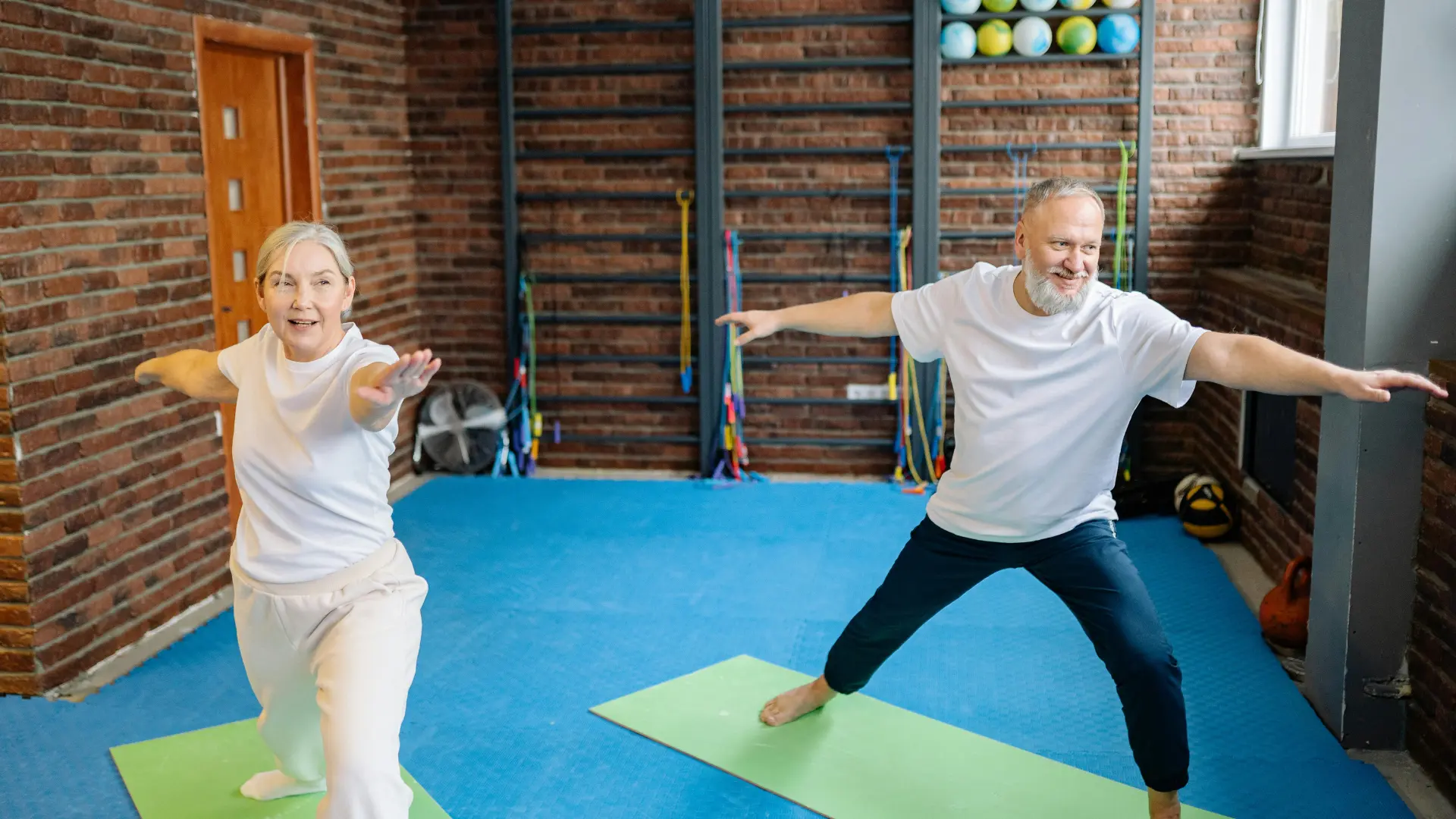
When we reach old age or after 45, our bodies undergo significant changes, but one factor that can help us maintain both physical and mental health is regular exercise. For older adults, staying active is not just about maintaining muscle strength or flexibility. It’s a vital contributor to mental well-being. Understanding how exercise has been proven to help improve mood, reduce anxiety, and combat depression. Even boosting cognitive function can empower us to take control of our mental health. Let’s take a deeper look at how exercise can transform the mental health of older people, offering hope, vitality, and clarity at any age.
The Impact of Exercise on Mental Health in Seniors
Many people think of exercise as something primarily for younger individuals. However, as research continues to show, older adults experience some of the most profound mental health benefits from regular physical activity. The simple act of moving your body, whether through walking, swimming, or yoga. Even gardening releases endorphins, the body’s natural mood enhancers. These endorphins help to reduce feelings of sadness, stress, and anxiety, promoting a sense of well-being and positivity.
One particularly notable benefit of exercise in seniors is the reduction of anxiety. As we age, stress and anxiety can become more prevalent due to factors like social isolation, chronic illness, and the cognitive decline that often accompanies aging. But physical activity helps counter these challenges, acting as a natural stress reliever. Research has shown that even low-intensity exercises, such as a daily walk or chair yoga, can help improve mood and combat anxiety. It helps to make them a powerful tool for enhancing mental well-being.
How Exercise Alleviates Depression in the Elderly
Depression is another common mental health challenge that older adults face. Feelings of loneliness, loss, and a lack of purpose can weigh heavily on one’s emotional state, leading to depression. However, exercise has proven to be one of the most effective ways to combat these symptoms. Physical activity helps in the production of serotonin and dopamine, neurotransmitters that are directly linked to mood regulation. Regular exercise, even in mild forms, can help elevate mood, decrease symptoms of depression, and increase energy levels. It is crucial for improving the quality of life in older adults.
Studies have shown that for some seniors, physical activity can be just as effective in reducing depression as medication or therapy. Whether it’s a brisk walk around the neighborhood, participating in group fitness classes, or engaging in strength training, exercise provides a mental health boost that can last well beyond the workout itself. Seniors who commit to regular exercise often find that their moods improve. Their anxiety levels decrease, and their overall outlook on life becomes brighter.
Cognitive Benefits: Sharpening the Mind through Exercise
Exercise doesn’t just improve mental health by reducing anxiety or depression; it also plays a crucial role in cognitive function. As we get older, cognitive decline can become a serious concern, potentially leading to conditions like dementia or Alzheimer’s disease. However, engaging in regular physical activity has been shown to slow this decline. Studies suggest that exercise increases blood flow to the brain and promotes the growth of new brain cells. It is particularly in areas associated with memory and learning, such as the hippocampus.
The improvement in cognitive function from exercise can be immediate. Just one workout session can lead to better focus, improved attention, and quicker reaction times. Over time, regular physical activity helps to maintain mental sharpness and can even delay the onset of age-related cognitive decline. Some studies suggest that exercise can slow brain aging by up to ten years, providing seniors with a way to protect their brain health while staying active.
The Social Benefits of Exercise for the Elderly
Beyond the physical and cognitive benefits, exercise also plays a critical role in enhancing social well-being. For many seniors, social isolation can be a major issue that affects their mental health. Exercise, particularly in group settings, offers seniors the opportunity to connect with others, build friendships, and cultivate a sense of community. Group exercise programs such as walking groups, yoga classes, or water aerobics allow older adults to engage with peers, combat loneliness, and find emotional support. It can significantly improve their mental health and make them feel connected and supported.
For example, one senior community center in Farmville found that seniors who attended group exercise sessions not only benefited physically but also experienced improved emotional well-being. One participant, Sheri Little, shared that her exercise sessions helped her stay focused at work and keep her mind clear. The simple act of coming together with others to exercise brought her a renewed sense of energy and mental clarity.
Exercise as a Protective Mechanism
Regular physical activity doesn’t just benefit the body and mind in the present; it also has long-term protective effects. The prefrontal cortex and hippocampus, two brain areas crucial for decision-making, memory, and emotional regulation. They are particularly vulnerable to neurodegenerative diseases as we age. Exercise helps strengthen these areas, making them more resistant to the effects of aging and disease.
While exercise is not a cure for conditions like Alzheimer’s or dementia, it can delay the onset of cognitive decline and extend mental health for years. Think of exercise as a protective shield for the brain. Just as working out strengthens muscles, regular physical activity enhances the brain, enabling older adults to maintain their cognitive abilities.
A Holistic Approach: How to Integrate Exercise into Daily Life
The good news is that exercise doesn’t have to be intense to be effective. Older adults can reap the benefits of physical activity through simple, accessible exercises. Regular walking, swimming, or even chair yoga can improve both physical and mental well-being without putting undue strain on the body. It’s not about becoming a triathlete or hitting the gym every day; it’s about finding activities that are enjoyable, accessible, and sustainable.
Many seniors can start by incorporating mild exercises into their routine, such as walking for 30 minutes a few times a week. As fitness levels improve, individuals can gradually increase the intensity or try other forms of exercise, such as strength training or dance. The key is consistency; making exercise a regular part of life will ensure that its mental health benefits continue to grow over time.
For individuals with mobility issues or chronic conditions, gentle exercises such as stretching or low-impact aerobics can be adapted to suit their individual needs. Working with a physical therapist or fitness instructor who specializes in elder care can help seniors find safe, effective exercises tailored to their specific health conditions and goals.
Exercise as a Lifeline for Mental Well-Being in Seniors
Exercise is a powerful tool that extends far beyond physical health; it has the potential to profoundly impact mental well-being in older adults. From reducing anxiety and depression to improving cognitive function and fostering social connections, the benefits of physical activity are undeniable. As we age, it’s essential to prioritize exercise not just for the body, but for the mind.
Whether it’s a daily walk, a group yoga class, or a swim in the pool, exercise offers seniors the opportunity to improve their mental health and enjoy a more vibrant, fulfilling life. By staying active, older adults can boost their mood, enhance their cognitive abilities. It strengthens their brain’s resilience against the effects of aging. So, let’s embrace the power of exercise, not just for our bodies, but for our minds, too. It’s never too late to start reaping the benefits of movement and improving your mental well-being.

Leave a Reply