


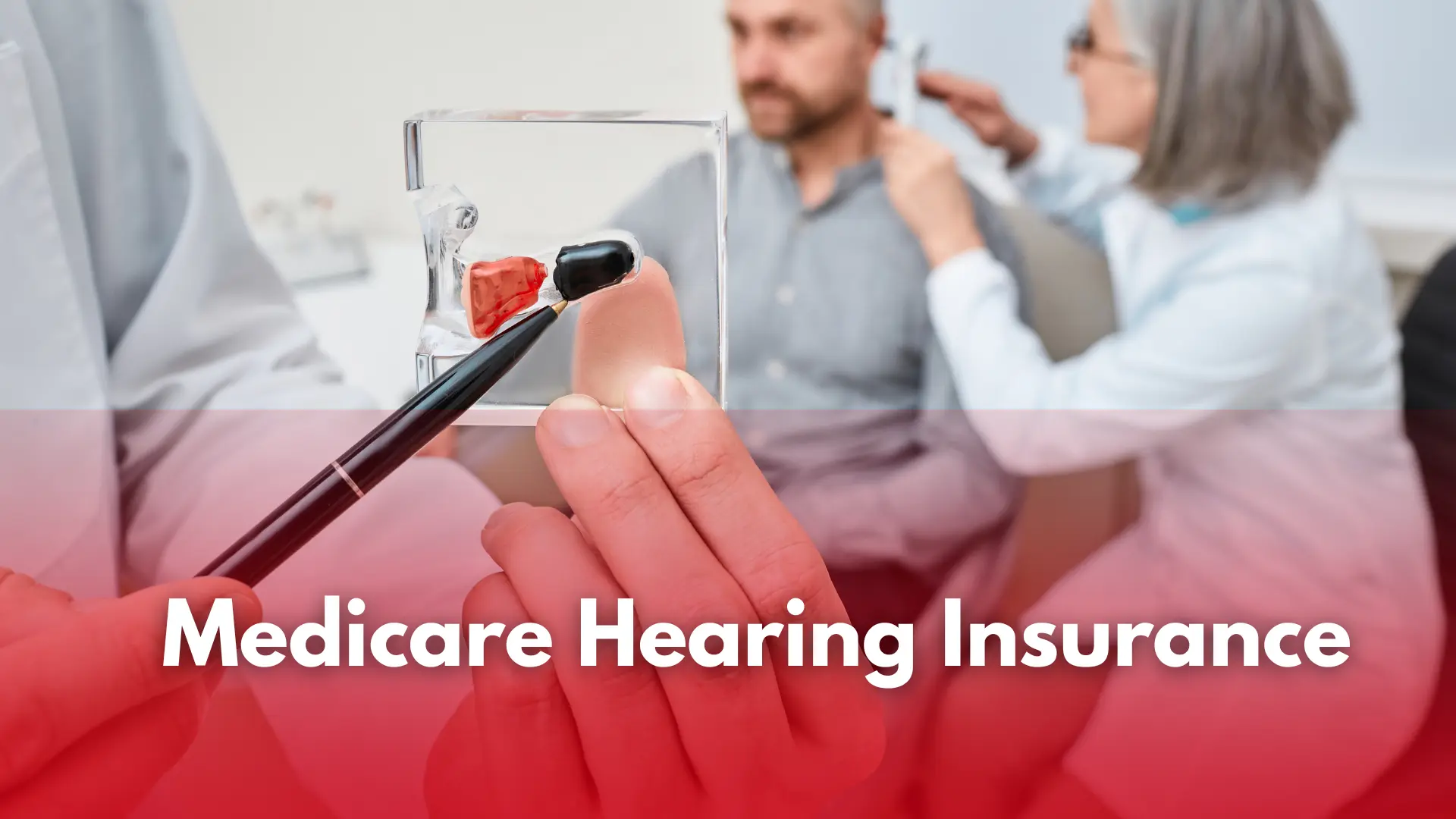
Understanding Hearing Insurance for Seniors: What You Need to Know
For many seniors, navigating the complexities of healthcare coverage can be daunting, especially when it comes to hearing care. Hearing loss is a prevalent issue, affecting many individuals over the age of 65. While Medicare provides vital coverage for health services, many are left wondering whether Medicare covers hearing aids. Unfortunately, the answer is no. Original Medicare doesn’t include hearing aids, leaving many seniors to face the often hefty out-of-pocket costs.
However, there are options available. If you or a loved one is seeking hearing insurance for seniors, it’s essential to understand the different avenues for obtaining hearing coverage and what to expect from these options.
The Gap in Medicare Coverage for Hearing Aids
Medicare is a lifeline for seniors, providing coverage for hospital stays, doctor visits, and some medical procedures. But when it comes to hearing aids, Original Medicare falls short. Why is this? Simply put, when Medicare was first established in 1965, hearing aids were not as advanced or commonly needed as they are today. While advances in hearing technology have significantly improved the quality of life for individuals with hearing loss, the financial burden of purchasing hearing aids remains a challenge for many.
Medicare does offer limited coverage for hearing-related services, such as hearing evaluations and diagnostic exams, but it explicitly excludes hearing aids and fitting services. That leaves seniors with limited options unless they turn to alternative forms of coverage.
Medicare Advantage: A Potential Solution?
One of the most promising options for hearing coverage among seniors is Medicare Advantage, which is private health insurance approved by Medicare. These plans, also known as Medicare Part C, are offered by private insurers and often include additional benefits that Original Medicare doesn’t cover, such as dental, vision, and, yes, hearing coverage.
While Medicare Advantage plans may include hearing aid coverage, it’s important to note that the specifics vary significantly between plans. Some plans offer full coverage for hearing aids, while others may only provide partial assistance or discounts. The key to getting the most out of your plan is thoroughly reviewing the details and ensuring it aligns with your hearing needs.
Navigating Hearing Insurance for Seniors: What to Expect
Hearing insurance for seniors can be more complicated than it initially seems. While Medicare Advantage plans can help, many seniors also explore standalone hearing insurance or discount plans. These plans work by offering coverage specifically for hearing aids and related services, such as fittings, repairs, and replacements.
However, there’s a catch. Much like traditional health insurance, hearing insurance often comes with limitations, including:
- Premiums: Many hearing insurance plans come with monthly premiums, which add to the overall cost of coverage.
- Provider Networks: Some plans require you to use specific audiologists or hearing aid providers, limiting your choice and potentially complicating the process of receiving care.
- Coverage Limits: Many hearing insurance plans only cover part of the cost of hearing aids. This means you might still be responsible for a substantial portion of the expense.
Why You Should Be Cautious About “Free” Coverage?
There is often a lot of hype around “free” benefits, especially when it comes to hearing aid coverage for seniors. While some government or private programs advertise free hearing aids, the reality is rarely as simple as it seems. Many of these plans offer limited coverage, meaning you’ll still end up paying out-of-pocket for some services.
Additionally, many hearing aid plans only cover certain brands or types of devices, which may not meet your specific needs. It’s crucial to carefully research and ask questions before committing to any plan that claims to offer hearing aids for free or at a steep discount.
Looking Beyond Insurance: Other Assistance Options
For those who don’t have access to comprehensive hearing aid insurance, there are still several resources that may help alleviate costs. Nonprofit organizations, such as the Hearing Loss Association of America, offer financial assistance programs that can help with hearing aids. Additionally, some states provide Medicaid assistance for low-income individuals, which can help with the cost of hearing aids for those who qualify.
It’s also worth checking with local hearing centers or clinics, as many offer sliding scale fees or payment plans to make hearing aids more affordable for seniors. Some pharmacies and other healthcare providers may also have partnerships with hearing aid manufacturers, providing discounts or coverage through existing insurance plans.
A Word of Caution: The Fine Print
As with any insurance or health-related service, it’s essential to read the fine print before purchasing hearing insurance for seniors. What may seem like a great deal upfront could come with hidden fees or restrictions that ultimately make it less cost-effective. Be sure to ask about:
- Network restrictions: Are you limited to a specific list of providers?
- Out-of-pocket costs: What will you be expected to pay out of pocket, even with insurance coverage?
- Device coverage: Does the plan cover all types of hearing aids, or just certain models?
- Renewal terms: Are there limits to how long you can use the insurance, or is it available as long as you need it?
Conclusion
Hearing loss can be an isolating and frustrating experience, but with the right hearing insurance for seniors, it doesn’t have to break the bank. Whether through Medicare Advantage, standalone insurance, or financial assistance programs, there are ways to make hearing aids more affordable and accessible.
Before making any decisions, it’s important to carefully review all your options, ask questions, and understand what each plan offers. The right coverage can help you regain your independence and improve your quality of life, so don’t hesitate to explore every avenue available to you.

Leave a Reply