


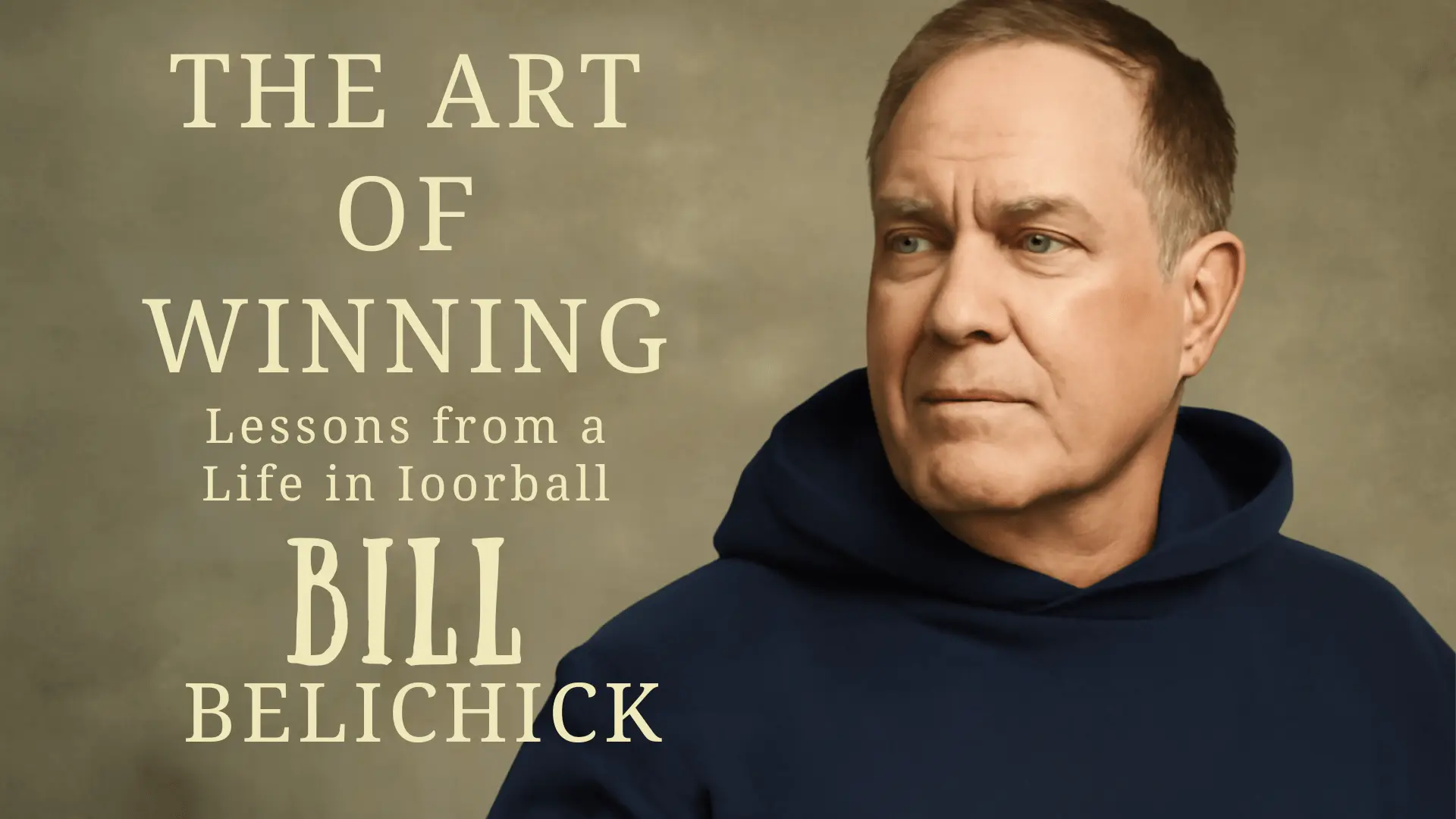
The True Meaning of Winning
What does winning mean? Is it simply about the scoreboard, or is there something more profound behind it? For Bill Belichick, one of the greatest football coaches in history, winning is about mindset, preparation, and consistency. His journey from a young boy studying film with his father to leading the New England Patriots to six Super Bowl victories is a testament to what it takes to succeed—not just in football, but in life.
In his book, The Art of Winning: Lessons from My Life in Football, Belichick reveals the principles that guided his legendary career. These lessons go beyond the football field and can be applied to business, leadership, and personal development. Winning, he believes, isn’t about being perfect; it’s about growth and learning from mistakes.
Lesson 1: Winning is an Art, Not a Science
Winning isn’t a simple formula—it’s an art. Bill Belichick doesn’t just coach to win games; he coaches to create an environment where winning becomes inevitable. His philosophy emphasizes preparation, motivation, confidence, and leadership—principles that transcend sports.
The Power of Preparation
Belichick’s path to greatness began with his father, Steve Belichick, a Navy football scout. Bill spent countless hours as a child analyzing game footage, learning the importance of preparation. Preparation isn’t just about being ready for the next game—it’s about preparing every single day, in everything you do.
Lesson 2: Leadership is About Responsibility, Not Titles
True leadership, Belichick teaches, is not about titles, but responsibility. A leader doesn’t need to shout or give motivational speeches. Instead, they lead by example, fostering accountability and building trust.
Building a Winning Culture
Belichick didn’t just lead; he built a culture. From day one with the Patriots, everyone knew what was expected. The mantra was simple: Do your job. Whether you were Tom Brady, the star quarterback, or a rookie on the bench, everyone was held to the same standard. This culture of accountability was key to the Patriots’ sustained success.
Lesson 3: Embrace Mistakes, Learn, and Grow
Perfection isn’t the goal. Belichick’s philosophy revolves around continuous growth. Mistakes are inevitable, but what sets great leaders apart is how they handle them.
Turning Failure Into Fuel
Belichick famously owned up to a controversial decision in the 2008 Super Bowl, where he went for it on fourth down and 13 yards. He didn’t hide from his mistake; he embraced it as a learning opportunity. Mistakes aren’t failures—they’re opportunities to grow.
Lesson 4: The Mindset of a Champion
What separates good athletes from great ones? It’s not just natural talent—it’s mindset. As Belichick explains, some athletes turn up, athletes who train to win, and then there are those who train to dominate. The key to dominance is mindset.
The Fighter Mentality
Belichick’s approach mirrors that of other high performers across different fields. Success requires not only talent and effort but also the willingness to face challenges head-on and push through adversity. Whether it’s overcoming personal setbacks or working through difficult team dynamics, champions have the mental fortitude to persevere.
Lesson 5: Discipline, Consistency, and Focus
Discipline is at the core of Belichick’s philosophy. It’s about doing the small things right, every time. The ability to stay consistent in your actions, no matter the circumstances, is what leads to greatness.
Consistency Under Pressure
A great example of this was seen during Super Bowl 49, when Belichick trusted his defense to make a critical play. The Patriots’ win came not from luck, but from meticulous preparation and a calm, steady approach under pressure. Success isn’t about being right all the time. It’s about being prepared when it counts.
Lesson 6: Leadership Requires Emotional Intelligence
Belichick’s leadership wasn’t just about strategy; it was also about understanding people. He knew how to connect with his players, push them to their limits, and offer support when needed. Leadership, for him, was about people, not positions.
Emotional Intelligence in Action
Whether it was giving Tom Brady tough love or providing space for younger players to grow, Belichick adjusted his leadership style based on the individual needs of his team. His quiet belief in each player fostered loyalty and trust. A true leader listens, understands, and leads with heart.
The Art of Winning in Life
Bill Belichick’s principles aren’t just for football players. They’re for anyone looking to achieve greatness. Whether you’re leading a business, coaching a team, or working toward personal goals, the lessons in The Art of Winning can guide you to success. It’s not about perfection—it’s about continuous growth, learning from mistakes, and leading with discipline and heart.
Belichick’s legacy shows us that winning is a mindset, a way of life. By adopting these principles, you too can become a master of your craft, no matter what it is.

Leave a Reply