


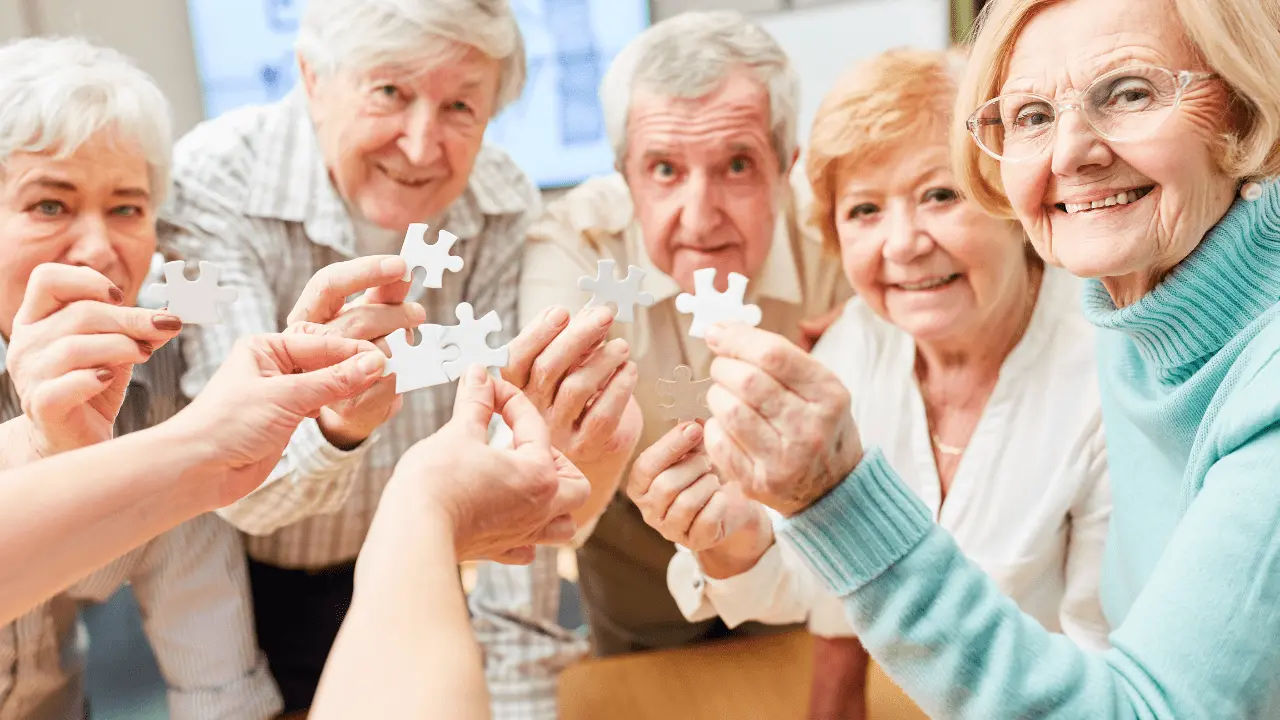
Jigsaw Puzzles for Seniors: A Mindful and Engaging Pastime
Are you or someone you love looking for a fun, engaging activity that not only brings joy but also stimulates the mind? Have you ever considered large piece jigsaw puzzles as an ideal solution? These puzzles aren’t just a way to pass the time—they offer a variety of cognitive, physical, and emotional benefits, especially for seniors. Whether it’s for reducing stress, improving memory, or fostering social bonds, jigsaw puzzles for seniors have something to offer.
In this article, we will explore the world of large piece jigsaw puzzles and how they enhance the lives of older adults. Join us as we uncover why these puzzles are an excellent choice for seniors and how they can provide hours of entertainment and mental stimulation.
The Cognitive Benefits of Jigsaw Puzzles for Seniors
As we age, it’s essential to engage in activities that challenge and stimulate the mind. Jigsaw puzzles are an excellent way to achieve this. When seniors work on these puzzles, their brains are engaged in various cognitive functions, including memory, concentration, and problem-solving skills.
Here’s how solving jigsaw puzzles can benefit cognitive health:
- Memory Boost: Puzzles require seniors to remember colors, shapes, and patterns, which helps to keep their memory sharp.
- Improved Focus: Working on a puzzle helps seniors improve their concentration and attention span.
- Problem-Solving Skills: Each puzzle piece is a tiny challenge. As seniors work through these challenges, they sharpen their analytical thinking and improve their decision-making skills.
Therapeutic Effects: Relax and Unwind
One of the most significant benefits of solving jigsaw puzzles is the therapeutic effect they have on mental well-being. The process of piecing together a puzzle can be incredibly calming, reducing anxiety and promoting relaxation.
- Stress Reduction: The repetitive action of fitting pieces together can help seniors shift their focus away from stress and worries, inducing a meditative-like state.
- Sense of Accomplishment: Completing a puzzle provides a sense of accomplishment. This boost in self-esteem and mood can have a lasting positive effect on mental health.
Motor Skills and Coordination: Strengthening Physical Health
In addition to cognitive benefits, large piece jigsaw puzzles also offer physical benefits. These puzzles require seniors to use their hands to manipulate pieces, which enhances motor skills and hand-eye coordination.
- Improved Dexterity: The precise movements needed to place the puzzle pieces can improve fine motor skills, which are crucial for everyday tasks.
- Enhanced Hand Strength: Handling and placing puzzle pieces help seniors maintain strength in their hands, preventing stiffness and improving flexibility.
Why Large Piece Jigsaw Puzzles Are Ideal for Seniors
Large piece puzzles are particularly suited for seniors, especially those with vision or dexterity issues. The bigger pieces make them easier to handle and see, reducing frustration and allowing for a more enjoyable experience.
- Easy to Handle: Large pieces are easier for seniors to grasp and fit together, making the puzzle-solving process smoother and more accessible.
- Larger Imagery: The reduced complexity of large piece puzzles allows seniors to enjoy the process without getting bogged down by intricate details.
- Suitable for Various Abilities: Seniors with different abilities can still engage with these puzzles, whether they are dealing with limited vision, dexterity, or just prefer a less complicated challenge.
Tips for Choosing the Right Large Piece Jigsaw Puzzle
Selecting the right puzzle is key to ensuring a fulfilling experience. Here are some tips for choosing puzzles that will keep seniors engaged:
- Start Simple: Begin with puzzles that have fewer pieces to help seniors build confidence before tackling more complex designs.
- Choose Familiar Themes: Look for puzzles that feature themes seniors can relate to, such as nature, familiar landmarks, or nostalgic images.
- Consider Puzzle Quality: Ensure that the pieces are easy to manipulate, well-cut, and durable. High-quality puzzles enhance the overall experience.
- Lighting Matters: Create a puzzle-friendly environment with adequate lighting to reduce eye strain and make the pieces easier to see.
Social Engagement: Puzzles Aren’t Just Solitary
While jigsaw puzzles can be a peaceful solo activity, they also offer a great opportunity for social engagement. Seniors can enjoy puzzle-solving sessions with family members or friends, strengthening relationships and creating new bonds.
- Family Bonding: Gather around the table with family to work on a puzzle together. It’s a fun and interactive way to spend time with loved ones.
- Community Engagement: Senior centers and retirement communities can host puzzle-solving sessions, fostering a sense of camaraderie and community.
- Group Challenges: Working with others not only enhances the experience but also provides a chance for collaboration and conversation.
Digital Jigsaw Puzzles: A Modern Twist
In the digital age, online platforms and apps have made jigsaw puzzles even more accessible. Seniors who enjoy digital devices can try their hand at virtual puzzles, offering a new and exciting alternative to traditional physical puzzles.
- Vita Jigsaw Puzzle App: This app provides thousands of high-quality digital puzzles with large pieces. It’s easy to navigate and perfect for seniors with visual impairments.
Adjustable Difficulty: Digital puzzles often allow users to adjust difficulty levels, making them perfect for seniors who want to start with simpler puzzles and gradually increase the challenge.
Jigsaw Puzzle Solving Tips and Strategies
If you or a senior in your life is new to jigsaw puzzles, here are some tips to make the process smoother and more enjoyable:
- Sort the Pieces: Begin by sorting the pieces into groups based on color or pattern. This makes it easier to identify where they fit.
- Start with the Edges: Like any jigsaw puzzle, start by assembling the edge pieces to form the border.
- Work in Sections: Break the puzzle down into smaller sections. Focus on one area at a time to make the task feel more manageable.
- Trial and Error: Don’t be afraid to try different combinations of pieces until you find the right match.
- Take Breaks: Step back and take breaks regularly to gain a fresh perspective on the puzzle.
Conclusion
Large piece jigsaw puzzles offer seniors more than just a fun activity—they’re a valuable tool for enhancing cognitive function, relieving stress, and fostering social interaction. By selecting the right puzzle and creating a comfortable, puzzle-friendly environment, seniors can enjoy hours of entertainment and mental stimulation. Whether for relaxation, therapy, or bonding with loved ones, jigsaw puzzles are a wonderful addition to any senior’s daily routine. Let the puzzle pieces connect and bring joy and cognitive benefits to the seniors in your life!

Leave a Reply