


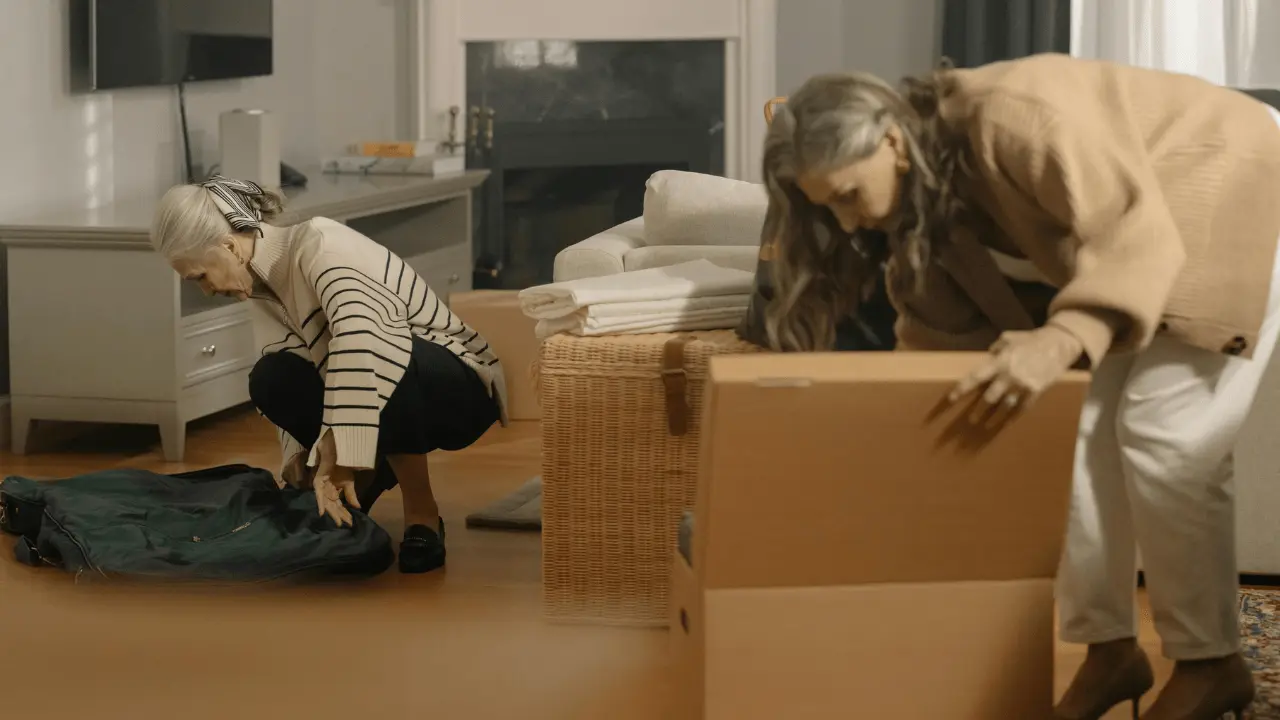
Free Hoarding Help for Seniors: Practical Tips and Compassionate Solutions
Hoarding can be a deeply emotional and challenging issue, especially for seniors. As we age, many of us may develop attachments to items, often as a way to hold on to memories or seek comfort in familiar possessions. However, when hoarding becomes overwhelming, it can create serious health and safety risks. Fortunately, there are free home care services for seniors, offering practical solutions that can bring peace of mind and safety back into their lives.
Let’s dive into how we can help seniors with hoarding issues and the crucial role of empathy, patience, and professional support in navigating this sensitive journey.
Why Seniors Struggle with Hoarding: Understanding the Emotional Roots
The underlying cause of hoarding in seniors is not simply about accumulating “stuff.” It’s often connected to deeper emotional or mental health issues. Hoarding can stem from a need for control, especially as seniors face the loss of autonomy due to aging. For many, their possessions provide a sense of stability, connection to the past, or security. Unfortunately, this attachment can quickly spiral out of control, making their living spaces unsafe.
Recognizing that hoarding is a mental health condition, not just a behavior, is vital when considering free hoarding help for seniors. Many times, seniors are reluctant to seek help, fearing that they’ll lose cherished belongings. It’s important to approach this issue with compassion and understanding.
Tip #1: Recognize the Problem with Empathy
The first step toward addressing hoarding in seniors is to recognize that it’s a problem that needs intervention. Hoarding is not just clutter; it’s a compulsive disorder that can lead to dangerous living conditions. Start by acknowledging the issue gently, without judgment. Have an open, non-judgmental conversation with your senior loved one. Let them know that you care about their well-being and that excessive clutter can lead to safety hazards, like fire risks, falls, or health issues.
Tip #2: Start the Conversation with Patience
Talking to a senior who hoards can be tricky. Often, these individuals are defensive about their possessions, feeling that they need to hold onto everything “just in case.” To approach them, it’s essential to remain patient and empathetic. Reassure them that help is available and that it’s okay to accept it. The goal is not to push them too hard but to open the door to a conversation that leads to change over time.
Tip #3: Professional Help and Local Services
In many cases, hoarding is a manifestation of mental health issues like obsessive-compulsive disorder (OCD), anxiety, or depression. If the hoarding is severe, involving a mental health professional can make a significant difference. Therapists who specialize in senior care and hoarding behaviors can guide your loved one through the emotional complexities of letting go of possessions.
Additionally, local authorities, such as health departments or senior services, may offer free cleaning and organizing resources for seniors struggling with hoarding. Some fire departments provide support in clearing hazardous clutter from homes, ensuring a safer environment.
Tip #4: Get Family and Friends Involved
Family support is often a key factor in helping seniors address hoarding. Family members can play a significant role in the process, providing emotional support while assisting with physical tasks. Encourage family involvement in sorting through items, deciding what to keep, and what to donate or discard. It’s important for seniors to feel empowered in these decisions, maintaining control over their belongings as much as possible.
Tip #5: Encourage Gradual Decluttering
Decluttering a home that has accumulated items for years isn’t something that can be done overnight. The process should be gradual, starting with small, manageable areas. Focus on the most critical spaces, like hallways or kitchens, that pose the highest risk for falls or other accidents. Offer reassurance and celebrate small victories along the way. It’s vital to remain patient and understanding throughout the process, knowing that it might take time for seniors to let go of certain items.
Tip #6: Hire a Professional Organizer
Sometimes, the emotional and mental toll of hoarding is overwhelming for family members to manage alone. This is where hiring a professional organizer can be incredibly helpful. Professional organizers are trained to work with individuals who have hoarding tendencies. They can develop a step-by-step plan to tackle clutter while respecting the senior’s emotional attachment to their possessions. This professional support can ensure that decluttering is done in a non-judgmental, methodical way.
Tip #7: Leverage Senior Community Resources
Many senior organizations and community resources offer assistance for seniors struggling with hoarding. These resources can include support groups, therapeutic services, or help with organizing and cleaning. Some local senior centers even provide free or low-cost services specifically designed to help older adults manage their living spaces. Researching and reaching out to these community resources can be an excellent way to provide extra support to your loved one.
Tip #8: Empower Seniors in the Decision-Making Process
One of the key challenges when helping a senior with hoarding is ensuring they feel involved and in control. Rather than making all the decisions for them, allow the senior to participate in the process. Offer choices, such as deciding which room to tackle first or what items to keep versus discard. Empowering them to make decisions about their possessions helps reduce anxiety and builds trust, which is essential for successful decluttering.
Tip #9: Maintaining the Clean Space
Once the clutter is reduced, the work doesn’t stop. It’s important to help the senior maintain their newly organized space. Set up a regular cleaning schedule, encourage them to periodically reassess their possessions, and establish clear guidelines on acquiring new items. Some seniors might struggle with maintaining a clutter-free space, so regular check-ins or follow-ups can help keep them on track.
Conclusion: Free Hoarding Help for Seniors is Available
Helping a senior with hoarding problems requires compassion, patience, and the willingness to take gradual steps. Whether you’re using free services from local authorities, enlisting the help of professional organizers, or providing emotional support, the key is to approach the situation with empathy and understanding.
Remember, hoarding is not just about clutter; it’s about emotional and mental health. Seniors who struggle with hoarding need love, patience, and practical support to regain control of their living spaces. By offering your assistance and connecting them with the right resources, you can help them reclaim their homes and their lives.

Leave a Reply