


Staying active is essential for seniors, but that doesn’t mean intense workouts are the only way to maintain health. But for seniors, high-intensity workouts may not always be the best option, as they can put unnecessary strain on the joints and muscles. That’s where low-impact activities come in. These exercises are gentle yet effective, and they are perfect for seniors looking to stay fit while minimizing the risk of injury.
In this article, we’ll explore some of the most beneficial low-impact activities for seniors, how they can improve overall health, and why these exercises might just be the key to feeling more energized and confident every day.
Why Low-Impact Activities Matter for Seniors
As we age, our muscles and joints undergo changes. Our bones can become more brittle, and our muscles may lose strength. This makes high-impact activities like running or jumping not ideal, as they can lead to injury or exacerbate pre-existing conditions. Low-impact exercises, on the other hand, offer a way to stay active without risking strain or discomfort. These activities are gentle on the joints and muscles, while still providing tremendous health benefits, such as:
- Improved Heart Health: Low-impact exercises like walking and swimming help maintain good cardiovascular health. Regular exercise improves circulation, lowers blood pressure, and enhances overall heart function.
- Better Balance and Coordination: Many low-impact exercises are excellent for improving balance, which is crucial in preventing falls—a common concern for seniors. Activities like tai chi, yoga, or even simple marches can help strengthen the core and improve coordination.
- Increased Flexibility and Mobility: Gentle stretching and mobility exercises allow seniors to maintain their range of motion, which is essential for performing daily activities, from bending down to picking something up to getting in and out of a car.
- Enhanced Mood and Mental Health: Physical activity releases endorphins, which are natural mood boosters. Low-impact exercise can reduce symptoms of anxiety, depression, and stress, leading to a more positive outlook on life.
Top Low-Impact Activities for Seniors
If you or a loved one is looking to incorporate low-impact activities into your routine, here are some fantastic options to consider:
1. Walking: The Ultimate Low-Impact Exercise
Walking is one of the easiest and most accessible exercises for seniors. It’s gentle on the joints but still provides an excellent workout for the heart and muscles. You can walk outdoors in nature, around the block, or even indoors on a treadmill. To get the most out of walking, aim for at least 30 minutes a day. To boost the intensity, add brisk intervals or find inclines, like hills or stairs.
Tips for walking:
- Start slow and gradually increase your pace or distance.
- Use supportive shoes to avoid discomfort.
- Focus on posture—stand tall and keep your shoulders back.
2. Chair Yoga: Stretching with Support
Chair yoga is a fantastic way for seniors to improve flexibility, balance, and mental well-being without needing to get on the floor. This low-impact activity involves seated poses and gentle stretching, making it perfect for those with limited mobility or joint issues. Many community centers or online platforms offer chair yoga classes designed specifically for seniors.
Benefits:
- Increases flexibility and joint range of motion.
- Enhances mental clarity and reduces stress.
- It can be done at home, making it convenient for seniors.
3. Swimming: A Full-Body Workout
Swimming is another excellent low-impact activity, especially for seniors with arthritis or joint pain. The buoyancy of the water reduces stress on the joints while providing a full-body workout. Swimming strengthens muscles, increases cardiovascular health, and improves joint flexibility. Whether you’re doing laps or simply treading water, swimming is an ideal exercise for seniors looking for a gentle yet effective workout.
Water aerobics is also a popular choice for seniors and can provide similar benefits in a group setting. Water exercises are great for improving strength, endurance, and flexibility.
4. Tai Chi: The Art of Gentle Movement
Tai Chi is a form of Chinese martial arts that focuses on slow, controlled movements. It is a low-impact activity that promotes balance, flexibility, and mental clarity. Tai Chi can also help reduce the risk of falls by strengthening leg muscles and improving coordination. Many studies show that regular practice of Tai Chi can help seniors with arthritis, muscle weakness, and limited range of motion.
Why Tai Chi?
- Improves balance and coordination.
- Promotes relaxation and mental focus.
- Suitable for all fitness levels.
5. Cycling: Gentle on the Joints
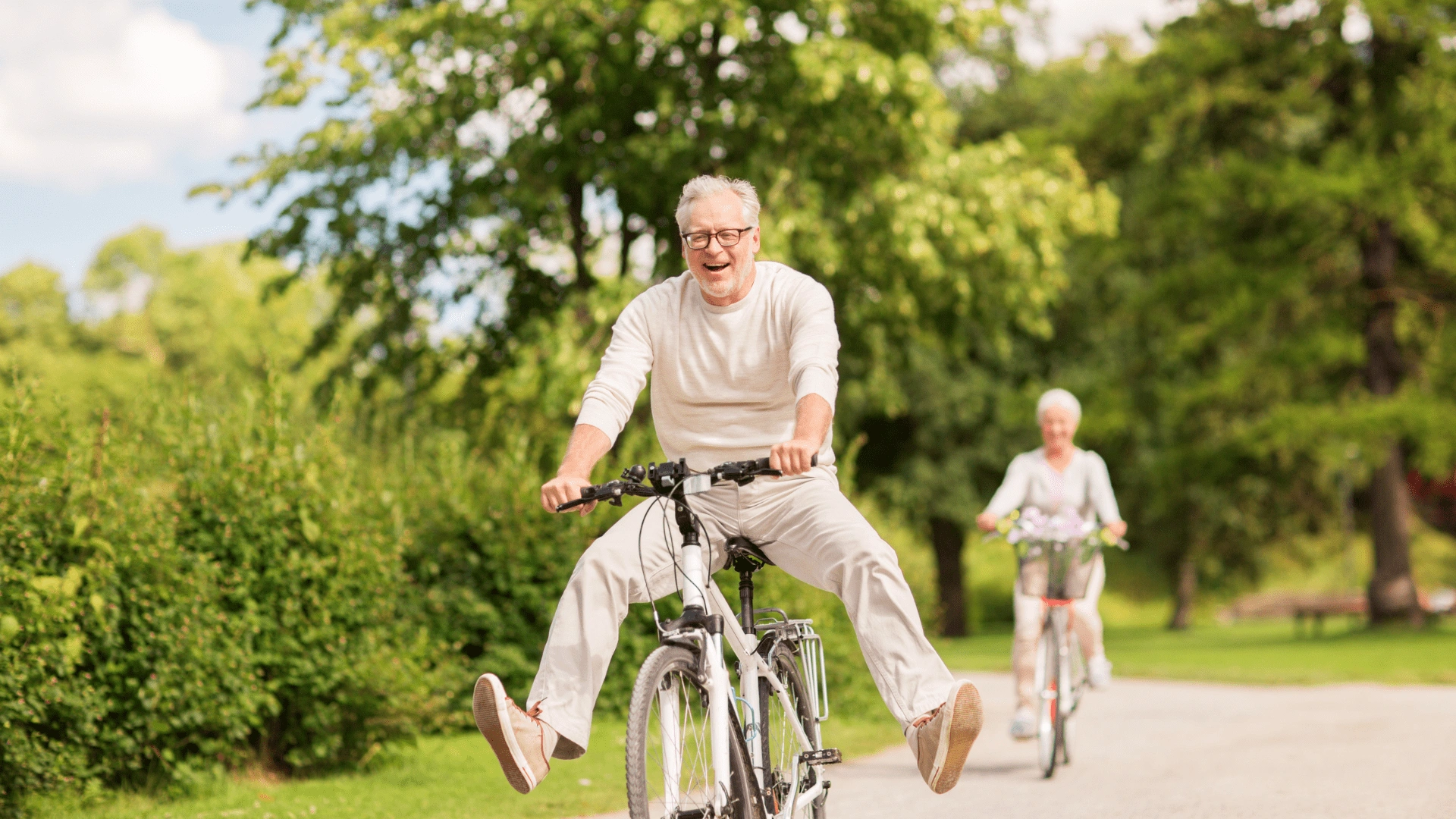
Cycling, whether on a stationary bike or outdoors, is a low-impact activity that provides an excellent cardiovascular workout. It strengthens the legs and improves circulation without putting undue stress on the knees and hips. Many seniors find cycling to be a great way to stay fit, especially since it’s so easy on the joints.
Tips for cycling:
- Start with short sessions and gradually increase the time or distance.
- Adjust the bike’s seat for comfort and proper posture.
- Wear a helmet if cycling outdoors.
6. Strength Training with Resistance Bands
Strength training doesn’t have to involve heavy weights or intense lifting. For seniors, using resistance bands can provide a safe and effective way to build muscle strength, improve bone density, and enhance flexibility. Resistance training can be done sitting or standing, depending on your ability, and it can target the major muscle groups without putting too much strain on the body.
Why resistance bands?
- Low-impact and gentle on the joints.
- It can be used in a variety of positions.
- Effective for increasing muscle strength and endurance.
Tips for Success: How to Make Low-Impact Activities Part of Your Routine
To ensure that these low-impact activities become a regular part of your lifestyle, here are a few practical tips:
- Start Slow and Progress Gradually: If you’re new to exercise or haven’t been active in a while, start with shorter sessions and gradually increase the duration or intensity as your fitness improves.
- Listen to Your Body: It’s important to pay attention to how your body feels during and after exercise. If you experience pain or discomfort, reduce the intensity and consult with a healthcare provider.
- Stay Consistent: The key to reaping the benefits of low-impact activities is consistency. Aim for at least 150 minutes of moderate exercise each week, or about 30 minutes, five times a week.
- Incorporate Rest and Recovery: Don’t forget to give your body time to rest and recover. Adequate rest is just as important as the exercise itself, especially as we age.
- Make it Fun: Find activities you enjoy, whether it’s listening to music while walking or practicing yoga in a group. Enjoyment will help you stick with your routine.
Conclusion: A Path to Better Health for Seniors
Low-impact activities are an excellent way for seniors to stay fit, active, and independent without putting stress on the joints. Whether you’re walking, swimming, doing yoga, or cycling, these activities offer a host of benefits, from improved heart health and balance to better mood and flexibility. By making these exercises a regular part of your routine, you can maintain your strength, improve your energy levels, and enjoy a more active, fulfilling life.
So, what are you waiting for? Get moving and discover the many benefits of low-impact activities today!

Leave a Reply