


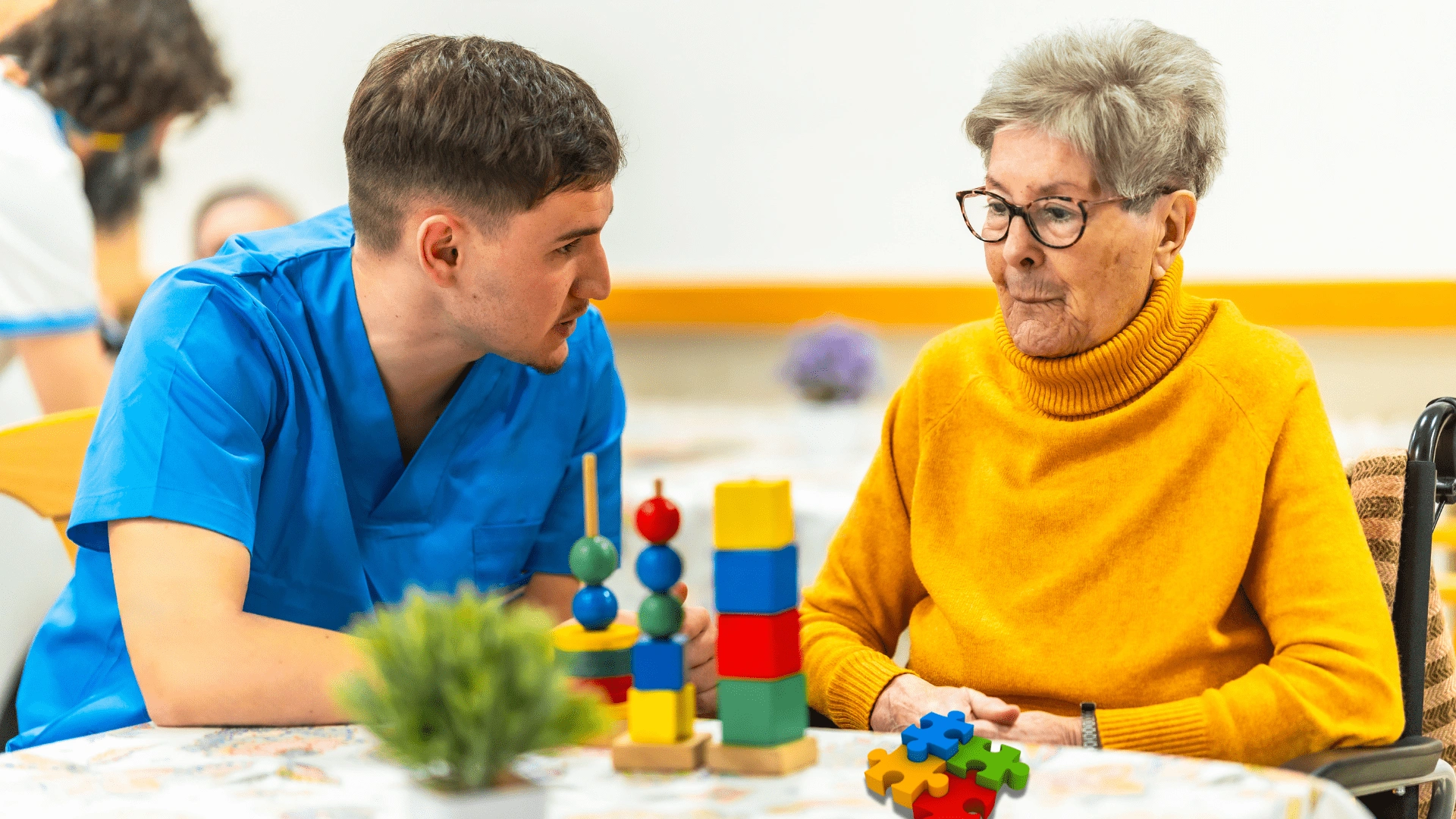
Memory Care Games for Seniors: Keeping Your Mind Sharp with Fun and Engaging Activities
It’s common to experience moments where recalling a name, remembering where we placed our keys, or even walking into a room and forgetting why can leave us feeling a bit anxious. These moments, though frustrating, don’t have to signify the start of memory decline. With the right mental exercise, our minds can stay sharp, vibrant, and engaged.
Memory loss doesn’t have to be a given. In fact, research shows that participating in brain-stimulating activities—especially memory care games for seniors—can boost cognitive function and help delay memory decline. And the best part? These games are not only enjoyable but also easy to incorporate into daily life.
In this article, we explore some of the best memory care games for seniors that are scientifically proven to enhance brain function, sharpen memory, and improve focus and attention. Whether you’re a senior looking to maintain mental sharpness, a caregiver seeking activities for loved ones, or someone just wanting to keep your mind in top shape, these games are here to help.
1. Chess: A Classic Game of Strategy
Chess is not just a game of kings and queens; it’s a mental workout for the brain. It requires players to think ahead, plan strategies, and remember the movements of each piece on the board. For seniors, chess is a fantastic way to engage both the short-term and long-term memory while enhancing cognitive skills like problem-solving and concentration.
As one senior chess enthusiast, Frank, shared: “When I win, I feel 20 years younger.” The beauty of chess lies in its ability to engage both sides of the brain, helping to improve memory, focus, and even emotional control. Plus, it’s a great way to connect with friends or grandchildren, creating opportunities for both cognitive exercise and social interaction.
2. Crossword Puzzles: Word Games for Mental Agility
Crossword puzzles are a timeless way to keep the brain sharp, and they’ve been a staple of daily routines for many seniors. They challenge vocabulary, problem-solving, and memory recall. Whether you’re working through a puzzle in the morning or challenging yourself with a tough one in the evening, crosswords are a fun and engaging way to keep your mind active.
As Nancy, a 74-year-old from Texas, discovered, crossword puzzles gave her back her confidence after noticing some memory lapses. “I remember more now than I did last year. My mornings feel alive again,” she said. The process of searching for words and filling in the blanks helps exercise the brain in ways that strengthen memory and focus.
3. Memory Matching Games: Strengthening Recall
Memory matching games, such as the classic card game “Concentration,” are simple yet effective at improving short-term memory. By flipping over cards to find matching pairs, you are forced to remember the position of each card—a perfect way to train your brain to recall details.
These games can be played solo or with a partner, making them an ideal option for seniors living alone or in group settings. A few rounds of this game a day can help seniors sharpen their memory and keep their minds alert. Whether you’re using store-bought cards or creating your own matching games with everyday items, this activity can be both fun and beneficial.
4. Sudoku: Logic and Number Games for Focus
For seniors who enjoy working with numbers, Sudoku is a fantastic option. These number puzzles challenge the brain’s ability to recognize patterns and think logically. While Sudoku might seem intimidating at first, many seniors find that with practice, they can master it and feel a sense of accomplishment with each completed puzzle.
John, a 78-year-old veteran, shared that Sudoku has become part of his daily routine. “It keeps me focused and I don’t worry as much about forgetting things,” he said. Sudoku exercises working memory, a crucial cognitive skill for everyday life, and the concentration required can help improve attention and problem-solving skills.
5. Bingo: Fun and Social Brain Exercise
Bingo is a game that’s beloved in many senior centers, and for good reason. It’s not only fun, but it’s also a great brain game. Bingo requires seniors to listen carefully for numbers, scan their cards for matches, and react quickly—all of which stimulates the brain.
Bingo has the added benefit of social interaction. For seniors who may be struggling with loneliness or isolation, playing bingo with a group can bring laughter, camaraderie, and a sense of connection. Engaging socially has been shown to protect against cognitive decline, making bingo a win-win for both the mind and heart.
6. Brain Training Apps: Digital Games for Memory Improvement
In today’s digital age, brain training apps like Lumosity, Elevate, and Peak offer a wide variety of games designed to enhance memory, attention, problem-solving, and other cognitive skills. These apps provide personalized exercises and track your progress, allowing seniors to engage in mental workouts from the comfort of their own home.
Helen, a 79-year-old in Arizona, initially downloaded a brain training app reluctantly, but now she checks her scores daily. “It was more than just a game. It was proof I was still growing,” she shared. Digital games can offer a structured approach to cognitive exercise, and the sense of progress they provide can be motivating for seniors.
7. Storytelling Games: Engaging Creativity and Memory
Storytelling isn’t just for children—it’s a wonderful way to stimulate creativity and memory for seniors. Whether you’re recalling memories from the past or creating new stories, storytelling helps strengthen verbal memory, sequencing, and creative thinking.
A fun activity involves using family photos or picture cards to prompt storytelling. Seniors can reminisce about their past or create new narratives, sparking social interactions and cognitive stimulation. Dolores, a retired teacher from California, said, “When we play, I feel alive again. I’m not just an old woman sitting at home; I’m a storyteller, a teacher, a friend.”
8. Charades: A Fun and Active Memory Exercise
Charades is a classic game that combines physical movement with mental agility. It requires players to act out words or phrases without speaking, which helps stimulate visual memory, focus, and recall. For seniors who enjoy movement, charades is a fun and engaging way to challenge the brain while keeping active.
This game is also great for group settings, providing a social outlet and plenty of laughter. Whether you play with family or friends, charades encourages memory retrieval and improves cognitive flexibility as seniors adapt to the evolving game.
9. Learning New Skills: Expanding the Brain’s Capacity
One of the most powerful memory care activities for seniors is learning something new. Whether it’s a new language, a musical instrument, or a hobby like painting, learning stimulates the brain and creates new neural pathways. This mental exercise keeps the mind engaged and adaptable.
Seniors who challenge themselves with new skills not only improve memory but also gain a sense of purpose and accomplishment. The process of learning something unfamiliar—whether it’s cooking a new recipe or mastering a few phrases in a foreign language—keeps the brain young and vibrant.
Conclusion: Empowering Seniors to Stay Sharp and Engaged
Memory care games for seniors are not just about fun—they are vital tools for maintaining cognitive health and independence as we age. Whether through puzzles, strategy games, or new skills, these activities help seniors strengthen their memory, improve focus, and stay socially engaged. They also provide a sense of accomplishment, joy, and connection with others.
So, pick up a crossword puzzle, challenge a friend to a game of chess, or start learning a new hobby today. These small steps can lead to big rewards, keeping your mind sharp, your spirit alive, and your memories intact for years to come.

Leave a Reply