


The Importance of Bathroom Safety in Senior Living
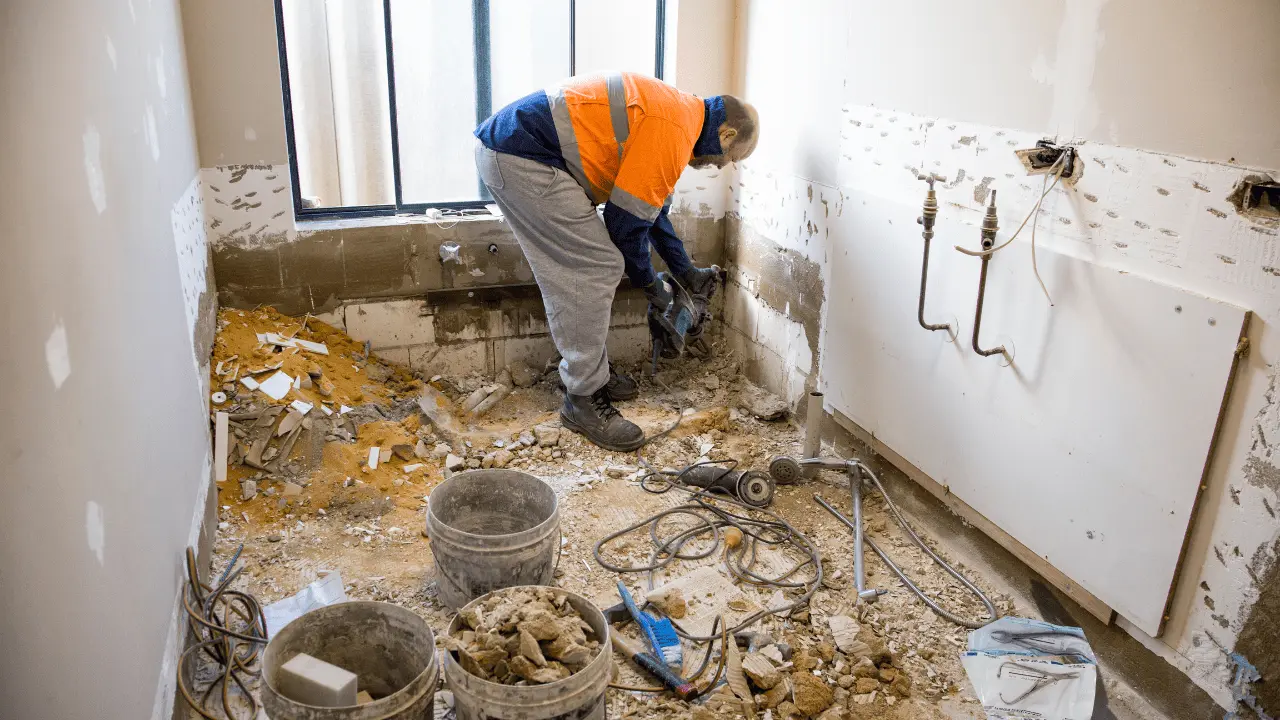
With time, the need for both comfort and safety in our homes becomes more critical, especially as we grow older. The bathroom, a place where we start and end each day, is often overlooked when it comes to accessibility, yet it poses significant risks. Seniors, especially those with limited mobility, are prone to falls and accidents, and the design of a bathroom can either help prevent or exacerbate these risks. Bathroom renovations for seniors aren’t just about aesthetics; they’re about making the space safe, accessible, and comfortable. In this article, we’ll explore 11 practical bathroom renovation tips that will ensure your bathroom meets the unique needs of seniors, providing both safety and independence.
Tip 1: Install Grab Bars for the Elderly
Why Grab Bars Matter in Senior Bathrooms
Balance and mobility can become challenging as we age. To prevent falls and promote independence, grab bars are one of the most crucial installations in a senior-friendly bathroom. These bars should be strategically placed in areas like near the toilet, in the shower, and by the bathtub. Not only do they provide something to hold onto, but they also make it easier for seniors to move around and maintain their balance.
When installing grab bars, it’s essential to ensure that they’re secured to the wall properly, capable of supporting substantial weight. The bars should also be easy to grip for those with arthritis or limited dexterity. They can be lifesavers, offering the support needed for seniors to move around confidently.
Tip 2: Opt for Non-Slip Flooring
Prevent Slips and Falls with Non-Slip Flooring
Flooring plays a vital role in bathroom safety. Traditional ceramic or vinyl tiles can be incredibly slippery, especially when wet, increasing the risk of falls. To improve safety, consider replacing slick flooring with non-slip tiles or vinyl that provide better traction.
A great alternative is dimpled vinyl or textured wood panels, which are safer and more wheelchair-friendly. Additionally, non-slip mats inside and outside the shower or bathtub can offer extra support. Easy-to-clean and comfortable materials are essential, so choose options that suit both functionality and aesthetics.
Tip 3: Accessible Showers or Tubs
Walk-In Showers and Curbless Tubs for Easy Access
For seniors, getting in and out of traditional bathtubs can be a huge challenge. A walk-in shower or curbless tub can make a significant difference by providing easy access for individuals with mobility issues. These renovations eliminate the need to step over a high tub wall, which can be a major hazard.
Consider adding built-in seating or shower chairs to provide a comfortable place for seniors to rest while bathing. Adjustable showerheads and handheld devices also make it easier for seniors to bathe themselves without the need for assistance. The key is to make bathing a safe, comfortable, and independent activity.
Tip 4: Adequate Lighting for Clear Visibility
Ensure Proper Lighting to Prevent Accidents
As people age, their vision can deteriorate, making it more difficult to navigate dimly lit spaces. In the bathroom, where visibility is crucial, good lighting is essential. Installing bright overhead lighting and supplementary task lighting around mirrors and inside showers can make all the difference.
Don’t forget about nighttime lighting, which can help seniors find their way to the bathroom without disturbing their sleep. Simple motion-sensor lights or low-level nightlights can guide them safely without the need to turn on harsh overhead lights.
Tip 5: Elevated Toilets for Easy Access
Make Toilet Use Comfortable with Elevated Models
Standard toilets can be low and difficult for seniors to use, particularly for those with limited mobility or knee problems. By installing a higher or adjustable toilet, you can make it easier for seniors to sit down and stand up without straining their muscles.
If replacing the toilet is not an option, consider using toilet risers or raised toilet seats. These add-ons can make a big difference in comfort and ease of use, allowing seniors to maintain independence in the bathroom.
Tip 6: Easy-to-Use Fixtures
Simplify Bathroom Fixtures with Lever Handles
For seniors with limited dexterity or arthritis, traditional knobs can be difficult to turn. Replacing faucets and shower controls with lever handles or touch controls makes it easier for them to adjust water flow without struggling.
Lever handles are easy to operate, even with limited hand strength. When selecting fixtures, look for models designed for ease of use, prioritizing comfort and accessibility in every detail.
Tip 7: Clear Pathways and Unobstructed Space
Create Safe, Accessible Paths for Movement
Clear pathways are essential in ensuring that seniors can move around the bathroom safely. Remove any rugs, clutter, or other obstacles that could cause tripping. You may also want to consider widening doorways to accommodate mobility devices such as walkers or wheelchairs.
It’s important to leave plenty of space around the bathroom for seniors to move freely without obstruction. This might involve rearranging furniture or using compact, multi-purpose fixtures that don’t take up too much space.
Tip 8: Adjustable Height Vanities
Make Bathroom Use Comfortable with Adjustable Vanities
An adjustable-height vanity can be a game-changer for seniors, particularly for those in wheelchairs. These vanities can be raised or lowered to ensure that seniors can comfortably access the sink, regardless of their height or ability to stand.
In addition to being practical, adjustable vanities also help to create a more flexible and functional bathroom space. This is especially important for seniors who may need to make adjustments as their physical needs change over time.
Tip 9: Use Contrasting Colors for Better Visibility
Improve Navigation with Color Contrast
As seniors age, it can become harder to distinguish between different areas and objects in the bathroom. One simple solution is to use contrasting colors for key elements like towels, the toilet seat, and the edge of the bathtub or shower. This visual differentiation makes it easier for seniors to navigate the space and find what they need.
Choosing high-contrast colors for bathroom accessories helps guide seniors and improves safety by reducing confusion. Be sure to choose colors that complement the overall design while ensuring clear visibility.
Tip 10: Install a Phone Line for Emergency Situations
Provide Lifesaving Communication with a Bathroom Phone
Bathrooms are common places for falls to occur, and for seniors, having access to immediate help can be critical. Installing a phone line in the bathroom ensures that if an emergency arises, seniors can call for assistance without needing to leave the bathroom.
While a traditional phone line may not always be necessary, a portable phone or emergency button can serve the same purpose. For those living alone, this addition could provide significant peace of mind.
Tip 11: Proper Ventilation to Prevent Health Risks
Maintain Healthy Air Quality with Proper Bathroom Ventilation
Good ventilation is crucial for maintaining a healthy bathroom environment. Poor ventilation can lead to mold and mildew buildup, which can exacerbate respiratory issues and other health problems, especially for seniors.
Install an exhaust fan to ensure that moisture is properly vented out of the bathroom. This will help to prevent the growth of mold and maintain better air quality, reducing the risk of allergies or other health complications.
Conclusion: Creating a Senior-Friendly Bathroom
Bathroom renovations for seniors require thoughtful planning and design, but the results can dramatically improve safety, comfort, and independence. By incorporating these 11 practical tips, such as adding grab bars, choosing non-slip flooring, and installing accessible showers or tubs, you can create a bathroom that is not only functional but also conducive to a senior’s well-being.
The key to a successful bathroom renovation for seniors is ensuring that every detail, from lighting to toilet height, supports their unique needs. With the right modifications, seniors can enjoy a safe, comfortable, and independent bathing experience for years to come.

Leave a Reply