


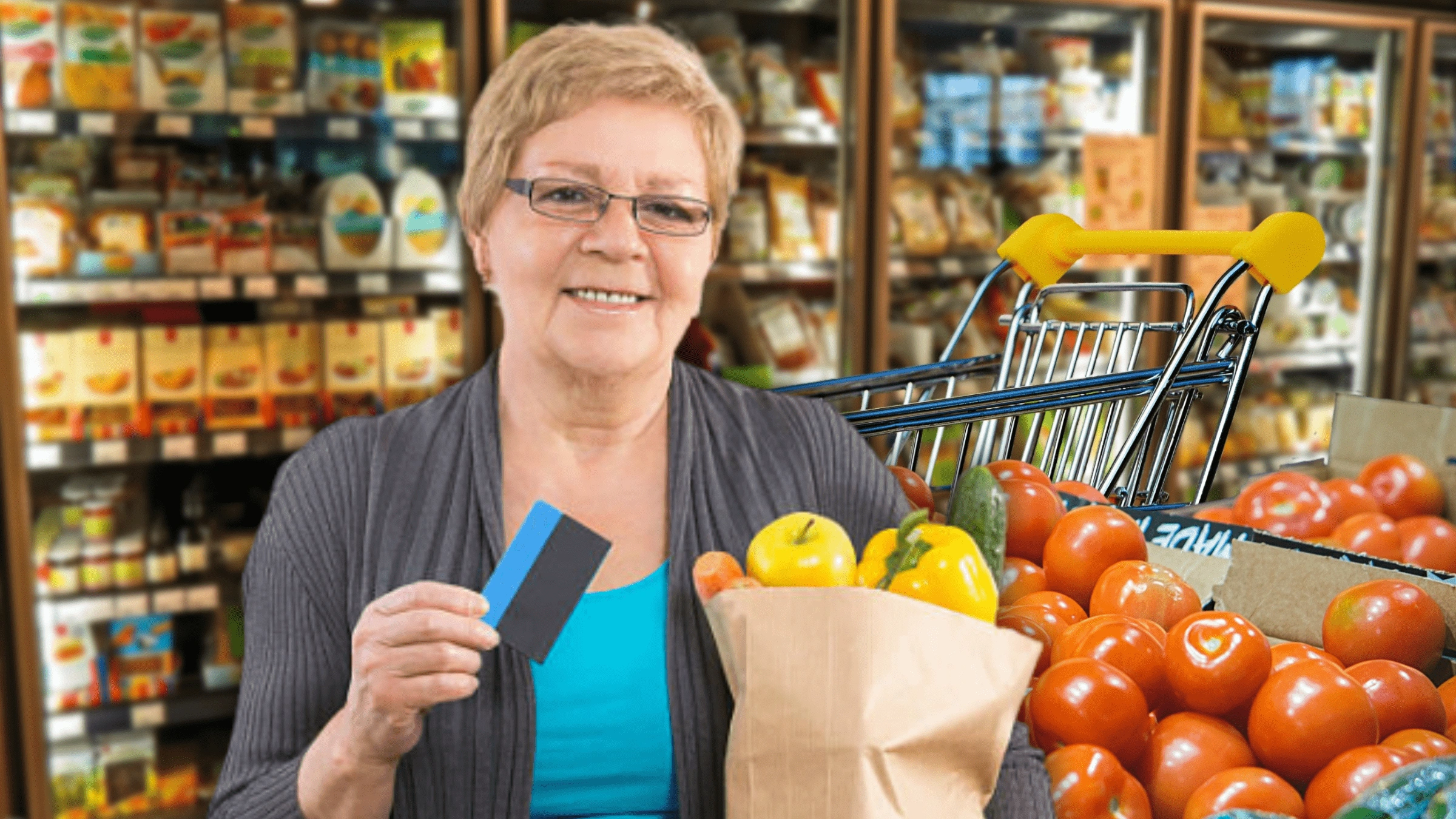
Free Grocery Card for Seniors: The Truth Behind the Promises
For many seniors, rising grocery prices feel like an uphill battle. Each trip to the store is a reminder that Social Security checks don’t stretch as far as they once did. So when TV ads or online posts promise a “free grocery card for seniors”, it’s no surprise that hope sparks. Could it be real? Could Medicare or the government finally be offering real relief at the checkout line?
This is exactly what Dr. Ed and Ari, a Medicare expert from Chapter, recently tackled in a candid conversation. Their mission: to uncover whether these grocery cards are real, who qualifies, and how seniors can avoid being misled by false promises.
Are Free Grocery Cards for Seniors Real?
The short answer is yes… but with conditions.
Medicare itself does not send out free grocery cards. Instead, some Medicare Advantage plans—private insurance options that replace Original Medicare—offer grocery allowances as part of their extra benefits.
The catch?
- Not every plan includes them.
- Availability depends on your zip code.
- In many cases, only dual-eligible seniors (those who qualify for both Medicare and Medicaid) receive the highest grocery benefits.
So while a neighbor might proudly show off their $250 card, you may not be eligible simply because of your location or income.
How the Benefit Works?
Ari explained it using what he calls the three Ps framework:
- Providers – Which doctors are in your network?
- Prescriptions – Which pharmacies and medications are covered?
- Priorities – What matters most to you (travel flexibility, dental, or yes, grocery benefits).
Grocery allowances are essentially an incentive. Some plans may offer $25 or $50 per month, while dual-eligible plans can go as high as $300. But here’s the truth: these shiny perks should never outweigh your health coverage. A plan that excludes your trusted doctor just isn’t worth a bigger grocery card.
Why the Confusion?
False advertising plays a huge role. Commercials often dangle numbers like “$900 grocery stimulus” or “extra $1,200 a year for food.” While these headlines grab attention, they’re misleading:
- There is no government $900 grocery stimulus check for seniors.
- Many ads are nationwide, ignoring the fact that grocery benefits are highly zip-code specific.
- Aggressive sales tactics often lead seniors into long calls where, after a few questions, they’re told the benefit “isn’t available in your area”—but another insurance product is.
This leaves seniors not only disappointed but often harassed by repeated marketing calls.
Real Programs That Help Seniors With Food Costs
If you don’t qualify for a Medicare grocery card, don’t lose hope. Several legitimate programs provide real assistance:
- Medicare Advantage Grocery Benefits – Available only in certain plans and areas. Always review carefully.
- SNAP (Supplemental Nutrition Assistance Program) – Formerly known as food stamps, SNAP provides monthly funds to buy groceries. Many seniors on SSI or low income qualify.
- Senior Farmers Market Nutrition Program (SFMNP) – Offers vouchers to buy fresh produce, honey, and herbs at local farmers markets.
- Commodity Supplemental Food Program (CSFP) – Provides monthly food packages with canned goods, grains, and proteins for low-income seniors.
These programs may not sound flashy, but unlike false ads, they are real and accessible.
Stories From the Frontline
During the Q&A, one viewer named Victoria shared that she applied for a grocery card but was told she didn’t qualify in her county. Another, Bella, chimed in to say, “I love my grocery and over-the-counter card.” Both were right—because it all depends on where you live and what plan you have.
Others admitted they’d clicked ads, answered a few questions, and ended up bombarded with calls. Dr. Ed warned: “Be very, very careful out there. These cards aren’t scams, but the way they’re advertised usually is.”
The Hidden Risks
Switching plans just for the grocery benefit can backfire. Imagine giving up your current plan, only to realize later that your specialist isn’t covered anymore. Or worse, that the home health aide you rely on can’t visit under your new plan.
That’s why Ari stressed: “Never sacrifice your three Ps for a shiny grocery card.”
Why Seniors Lose Benefits Unexpectedly
Even when you do qualify, benefits often come with restrictions:
- Some expire monthly if unused.
- Others reset quarterly.
- All expire by December 31st each year.
Failing to track these dates means many seniors unknowingly let hundreds of dollars slip away.
Practical Steps to Protect Yourself
If you’re wondering whether you qualify for a free grocery card for seniors, here’s what to do:
- Check with your current Medicare Advantage plan directly—never through random ads.
- Apply for SNAP through your state’s human services office.
- Visit local farmers’ markets to ask about the SFMNP program.
- Explore CSFP by contacting your local food distribution agency.
- Work with a trusted, independent Medicare advisor, not a telemarketer.
And above all, remember: if an ad sounds too good to be true, it probably is.
The Emotional Side of Grocery Benefits
Behind every policy detail is a human story. For seniors living only on Social Security, an extra $100 a month can mean fresh fruit on the table, milk in the fridge, or dignity in daily life. That’s why the conversation about these cards touches a deep emotional chord.
Bella’s words summed it up: “I love my grocery card. It’s not a scam—it helps me survive.”
At the same time, thousands of others are left out, feeling deceived by headlines and ads. This gap highlights a painful truth: America’s seniors deserve better, clearer, and more consistent support.
Hope, But Stay Informed
So, is the free grocery card for seniors real? Yes, but only under certain Medicare Advantage plans and usually for those with dual eligibility. It is not a universal government benefit, and it certainly isn’t the $900 “stimulus” you may see online.
The real path to grocery help lies in programs like SNAP, CSFP, and SFMNP, combined with carefully chosen Medicare Advantage plans where appropriate.
If you or a loved one is struggling, explore these options. And always—always—seek advice from trusted experts, not telemarketers.
Because at the end of the day, this isn’t just about benefits. It’s about making sure seniors don’t have to choose between paying the bills and putting food on the table.

Leave a Reply