


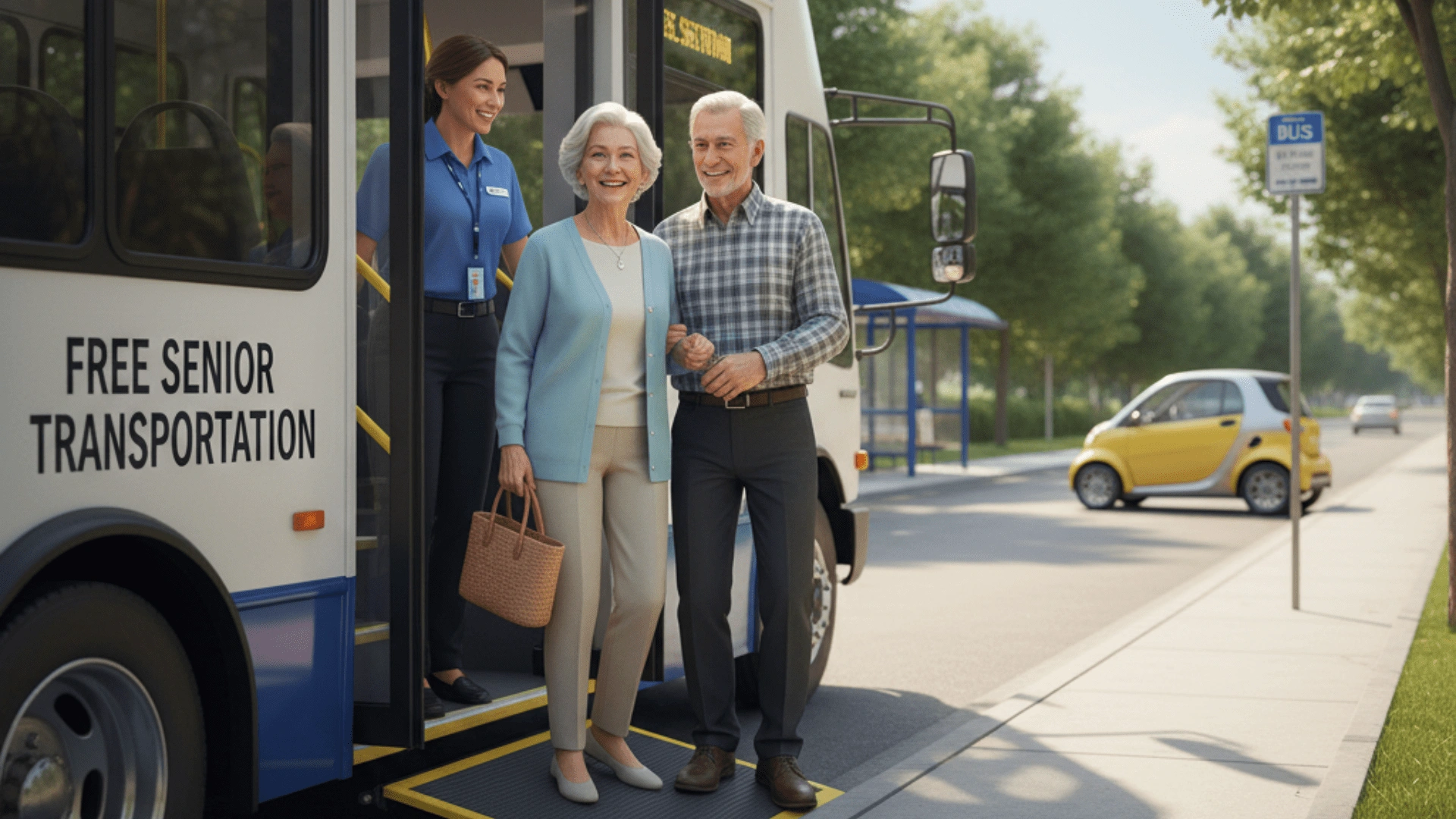
Free Rides for the Elderly: A Lifeline to Independence and Well-Being
Getting around should never be a challenge, no matter your age, yet maintaining mobility is essential for staying active, connected, and independent. Transportation plays a pivotal role in ensuring that seniors can continue enjoying life, from attending medical appointments to simply socializing with friends. Unfortunately, for many older adults living on fixed incomes, the cost of transportation can be overwhelming. Thankfully, there are numerous free and low-cost transportation programs available to seniors that help alleviate this burden. Let’s dive into these programs and explore how they can make a difference.
Public Transportation Discounts: An Easy Way to Save
The most common and widely available form of transportation assistance is the senior discount on public transit. Across the country, most city and regional transit systems offer significant fare reductions for seniors, typically those aged 60 or older. For example, seniors can enjoy half-fare MetroCards in New York City or 75-cent rides in Los Angeles with a senior tap card. In Chicago, seniors who meet certain income qualifications can even ride for free.
To access these benefits, simply visit your city’s transit website, where you’ll find the section for senior fare discounts. Be sure to apply with valid proof of age, like a state ID or Medicare card. Regular use of public transportation can save seniors hundreds of dollars a year, which is a huge relief for those on a tight budget.
Paratransit and Door-to-Door Services: Convenience for Those with Mobility Challenges
For seniors who have trouble accessing regular public transit due to mobility issues, paratransit services are a game-changer. These door-to-door, reservation-based ride services cater to seniors and people with disabilities who can’t use traditional buses or trains. The Americans with Disabilities Act (ADA) mandates that all public transit systems offer paratransit within a certain radius of fixed routes.
Paratransit vehicles are typically wheelchair accessible, and fares are usually no more than double the standard bus fare. Seniors need to schedule these rides in advance, typically 24 to 48 hours before the desired pickup time. If you or a loved one requires such services, check your local transit authority’s ADA paratransit application process.
Ride Hailing Discounts and Partnerships: Uber, Lyft, and More
In the digital age, ride-hailing services like Uber and Lyft have expanded their reach to seniors. Some senior centers, insurance providers, and non-profit organizations partner with these services to offer subsidized or discounted rides for seniors. For example, Go Grandparent allows seniors to call and book rides without needing a smartphone.
In some areas, Medicare Advantage plans even include non-emergency transportation to medical appointments. These options help seniors avoid the hassle of using apps and ensure they have access to affordable rides when needed. For further information, check with your local Area Agency on Aging to see if any ride-hailing options are available for you.
Volunteer Driver Programs: A Personal Touch
For seniors who prefer a more personal touch, volunteer driver programs offer a great alternative. Organizations like ITN America and Faith in Action connect seniors with trained, background-checked volunteers who provide rides to medical appointments, errands, or social events. These services are often free or require a small donation per mile.
To find a program near you, visit Rides Insight.org, where you can search for senior transportation services by zip code. Volunteer programs offer an invaluable opportunity for seniors to maintain their independence while also enjoying a more personal, community-driven form of transportation.
Free Cars for Seniors in Need: A Rare but Impactful Opportunity
While it’s rare, some programs offer free or donated vehicles to low-income seniors who need reliable transportation. Examples include 1800 Charity Cars, Good News Garage, and the Working Cars for Working Families Database. To qualify, seniors typically need to provide proof of income and show a clean driving record.
Additionally, some local churches, veteran organizations, and senior resource centers may offer assistance with car repairs or registration fees. If you find yourself in need of a vehicle, these programs might be able to help get you back on the road.
Senior Shuttle and Microtransit Programs: Local, Flexible, and Affordable
Many cities operate microtransit or senior shuttle programs, which are flexible transportation services designed to serve popular senior destinations, such as grocery stores, medical clinics, and community centers. These shuttles often operate in smaller neighborhoods, making them more accessible and affordable for seniors.
Some programs are free, while others charge a nominal fee. They might have set pickup and drop-off zones or offer on-demand routes based on senior needs. To learn more, check with your local parks and recreation department, senior services office, or local transit provider.
Medicaid and Medicare Transportation: Medical Appointments Made Easy
For seniors on Medicaid, non-emergency medical transportation (NEMT) services are available. These services cover free rides to medical appointments, including curbside or door-to-door pickups. Some Medicare Advantage plans also provide limited transportation benefits, so it’s worth double-checking your Medicare benefits booklet to see if you qualify.
For those who need assistance with mobility devices or have specific medical transportation needs, these services ensure that seniors can access necessary healthcare without worrying about the cost of transportation.
Local and State-Specific Programs: Tailored Assistance
In addition to national programs, many states and counties have their own transportation options for seniors. Programs like My Ride 10 in Tennessee and Texas Senior Transportation Services cater specifically to seniors’ needs. These programs are often organized by local aging councils and may even offer rides to rural areas.
Local governments, non-profits, and even churches often run free or low-cost ride programs to help seniors access essential services. To discover these programs, try calling the 211 hotline or checking websites like eldercare.acl.gov or BenefitsCheckup.org.
Finding the Right Senior Transportation Program for You
As a senior, finding reliable, free, or low-cost transportation is essential for maintaining independence and staying connected to the community. Whether you’re heading to the doctor, grocery shopping, or visiting a friend, these programs can help ensure you get where you need to go without breaking the bank.
To get started, reach out to your local Area Agency on Aging. They can provide guidance and help match you with the best transportation options available in your area. Many of these programs don’t require you to be low-income, so don’t hesitate to ask about the services in your area. You deserve access to affordable transportation that keeps you independent, engaged, and part of your community.

Leave a Reply