


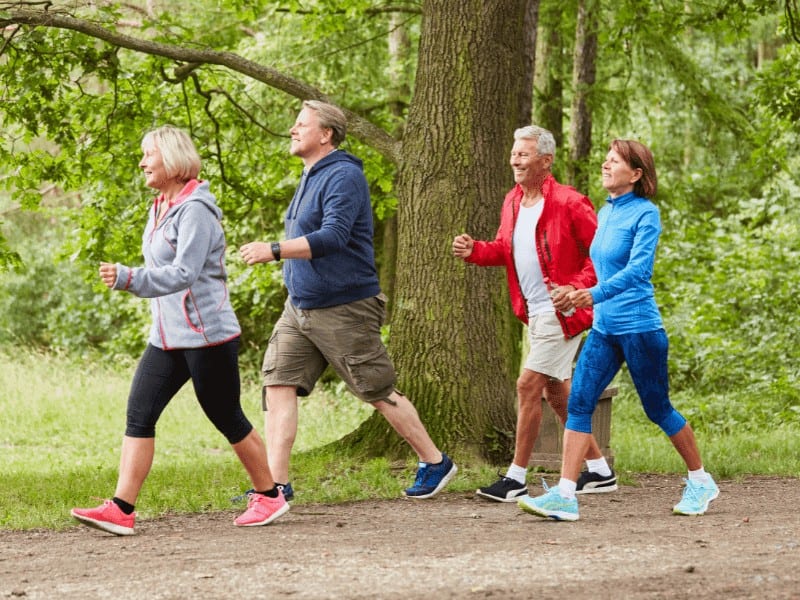
Though aging is inevitable, it doesn’t mean a person should still be active. After the age of 55 years, being active after the age of 55 can enhance the quality of your life, influence your overall health, and even prevent loss of independence. Healthy aging tips provides different ways of being active physically, correcting common nutrition, enjoying good mental wellness, and communicating socially.
1. Stay Physically Active
A. Incorporate Regular Exercise
Aim for at least 150 minutes of moderate aerobic activity such as brisk walking or cycling each week. Following the given exercises is a good idea, to wit:
- Walking is yet another activity a person can do to stay strong. The reason for someone to do this might be to join friends or a walking group near them that will serve as the social factor and allow one to walk more.
- Building muscle strength: Include muscle-strengthening exercises in your leisure activities for at least two days a week. This, however, should be comprehensive workouts of all the major muscle groups and can be realized through the use of weights, an exercise band, or sheer bodyweight workouts.
- Activities for Physical Activity: The presence of these activities can enable the body to be more fluid and responsive to its surroundings. Also, these exercises for flexibility and balance, such as yoga or tai chi, are the ones that not only help the person to become steady, lower the possibility of falling, and, thus, bring about an improvement in the quality of the nervous system.
B. Make it Enjoyable
Favorite hobbies should be your main choice here if you want to keep up with the activity.
2. Focus on Nutrition
A. Eat a Balanced Diet
Good nutrition is a prerequisite for a healthy lifestyle. Emphasize the following:
- Fruits and Vegetables: Care should be taken to ensure a plate colorful with different types of fruits and vegetables for vitamins and minerals to the diet.
- Lean proteins refer to fish, chicken, beans, and legumes, which are full of nutrients that our muscles need.
- Whole Grains: Whichever the reason the exact thing is whole grains still are fiber promoters, which are the best foods to use to this end, whereas, the former could be the most impressive fiber foods, besides helping digestion and maintaining weight, they also cause a feeling of satiety.
- Healthy Fats: One should gain the well-nigh unachievable energy from healthy fat sources, such as avocados, nuts, seeds, and olive oil, restricting or maybe, even eliminating the consumption of trans and saturated fats.
B. Stay Hydrated
Older people are more at risk of being dehydrated. Naturally, you should drink water the whole day through, however, you should give up the habit of consuming sugary drinks. Ensuring your hydration levels are good, especially if you are an active individual is important.
3. Prioritize Mental Well-being
A. Keep Your Mind Engaged
Cognitive health is critically important for living a healthy life. The following activities will be suitable for anyone to challenge and engage their mind:
- Puzzles and games: Ridicule the wordplay, Sudoku mad, or entertain board games. The goal of this exercise will be helping to maintain the mind in the best shape possible.
- Learn Something New: A new hobby or class can one have fun with. Also, learning a new language can help a person to combat boredom. Changing things up and finding something very challenging can keep your mind in good condition.
B. Manage Stress
Practice stress reduction techniques like meditation, mindfulness, or deep breathing exercises. Get into sports that calm you down as well as those that put your body and mind in a relaxed state.
4. Foster Social Connections
A. Stay Connected
Social engagement is an important part of healthy aging, and this is a reason why
- Family and Friends: Spend time with your family members, eat meals together, or do group activities together.
- Community involvement: join clubs, volunteer, or get involved in local activities in the community and leave it to the other means to meet new persons and establish a support system.
B. Join Groups and Classes
You can also take part in a physical fitness course or a creative writing group or visit social clubs built around what you are interested in. Together activities serve the purposes of pushing, being honest, and getting along with a friend.
5. Regular Check-Ups
A. Stay on Top of Health Screenings
When you get older, you should first and foremost – Have your health checked regularly. Get screenings for your blood pressure, cholesterol, and diabetes as well as cancer screenings, when your healthcare provider suggests them.
B. Listen to Your Body
Pay attention to how your body responds to exercise and daily activities. If you experience pain or discomfort, make adjustments or consult a healthcare professional.
6. Embrace a Positive Mindset
A. Cultivate Gratitude
Practice gratitude by keeping a journal or regularly reflecting on positive experiences. A positive outlook can improve mental health and enhance overall quality of life.
B. Set Realistic Goals
Setting achievable fitness and wellness goals can help keep you motivated. Celebrate small victories and stay adaptable as you navigate changes in your abilities over time.
Conclusion
A long and healthy life can be contemplated through proper lifestyle and mental choices. The elderly are able to stay active in a thoughtful manner by practicing physical activity, proper nutrition, contemplation of life issues, social interactions, and regular health check-ups. The good thing is every little progress brings you so much closer to your goal so start now because as we all know it’s never too late. Let us tackle it with love, embrace the difficulties, and allow kindness to rule.

Leave a Reply