


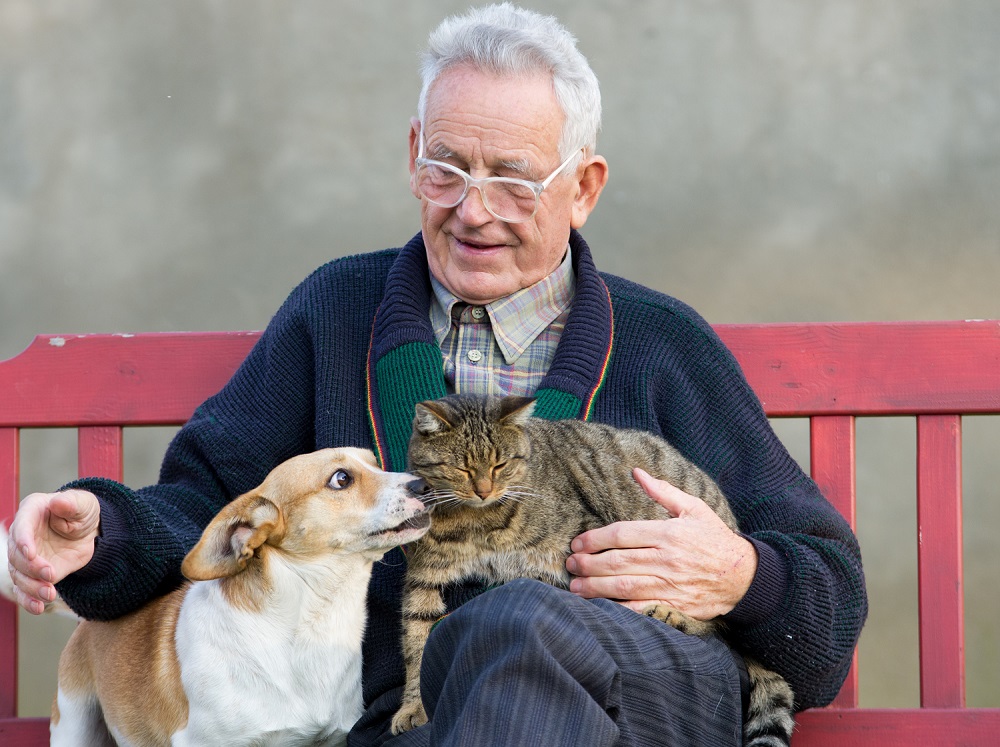
- A pet can be said to be a significant source of joy in one’s lifetime, especially when he or she is old. The companionship of pets is as necessary as the medical assistance provided by doctors. Besides, the company of pet and emotional support of pet may involve physical activities that also contribute to the elderly adults’ fitness maintenance.
Undoubtedly, a pet’s infancy mixes with its later stages, as its weaknesses are complemented by its strengths. Additionally, pet parents must nurture and maintain their relationship through certain activities.
Benefits of Pet Ownership for Seniors
1. Companionship
- Loneliness is reduced: Pets provide regular companionship and very often alleviate the feelings of loneliness and depression that many elderly people suffer from.
- Emotional Bond: The emotional attachment to a pet helps release stress and loneliness. Scientists have shown that interaction with pets has been shown to encourage the brain to release oxytocin, the “feel good” hormone.
2. Physical Health Benefits
- Encourages Activity: Dogs need regular walks. This encourages seniors to stay active. It helps improve their cardiovascular health and mobility.
- Reduced Blood Pressure: Studies show that pets reduce blood pressure. They also help regulate heartbeats when they are nearby.
3. Social Interaction
- Pets offer socializing opportunities. They act as icebreakers, helping you connect with new people. Whether during walks, at dog parks, or pet events, they make it easier to interact with others in the community.
- Joining Groups: A pet can be the reason to join a community group, attend a training class, or join a pet club. It provides an opportunity to make new friends and form social networks.
4. Routine and Structure
- Daily Routine: Having a pet creates a consistent schedule. This provides a sense of purpose and responsibility over time. These become a regular part of the day which in turn results in a regularity of living.
- Mental Stimulation: Caring for pets provides a mental challenge. It engages the brain with the environment, encouraging active involvement in life. This is important for cognitive health.
Considerations Before Adopting Pets
1. Lifestyle and Living Situation
- Space requirements: Consider living at home. Is there room for a pet? Is your home pet-friendly and safe?
- Mobility and health: Lastly, consider your level of mobility and health. Are you able to deal with the physical demands that come with having a pet, such as dog walking or cleaning the litter box?
2. Time Commitment
- To ensure that a pet gets all the care, exercise, and social interaction it needs, do not forget to spend some time with it every day. Animals can only partly communicate with humans but they will let you know the necessary things they need.
- You just need to be persistent with them, understand them, and be always open to learning new things about how they feel or what they may think of your treatment toward them. Outdoors, you can be supportive, happy, talkative, and playful with your pet while indoors, you can talk to it, or play CDs with pet sounds. Regular walks and playtime must be incorporated as major health factors for any pet.
- Travel and Vacations: At the same time, when you make your holiday plans, try to realize the effect of how traveling might the role of caregiving. Do you need pet-sitting services, or can you have your furry friend with you?
3. Financial Considerations
- Care Expenses: Food, veterinary attention, grooming, and insurance are some of the basic costs connected with owning a pet. Always budget for the unexpected expenses that will always arise.
- Adoption Fees: If adopting through a shelter or rescue, research any adoption fees and what they cover (vaccinations, spaying/neutering, etc.).
4. Type of Pet
- Choosing the Right Pet: Assess what kind of pet fits best into your lifestyle. Dogs require more attention and exercise, whereas cats and smaller pets might be more independent and manageable.
- Adopt an Older Pet: Instead of a puppy or a kitten, consider the adoption of an older one. Older pets usually are much calmer, require less training, and may even be already housebroken.
5. Support and Help
- Seek Help: Identify support systems for pet care. Are there family or friends who could step in if your mobility should decline or you need to be away from home due to illness?
- Seek Out Community Resources: There are resources in your community, including services that will care for your pets, as well as specific programs designed for seniors who have pets. Such resources can prove quite helpful and a source of strength, offering the added benefit of allowing you to meet new people who also have pets.
Conclusion
A pet’s companionship really can add so much to a senior’s life, enhancing health and allowing for social interaction. However, lifestyle, living situation, and the care and attention that will be able to be given to the animal are very important to consider. A thoughtful choice of a pet that best matches your situation will well guide you through a gratifying journey as it enhances the quality of life and brings joy into the daily routine.
Of course, if you do decide to adopt, you’re not only bringing a loving companion into your life but also getting the unconditional love and loyalty that only pets can provide.

Leave a Reply