


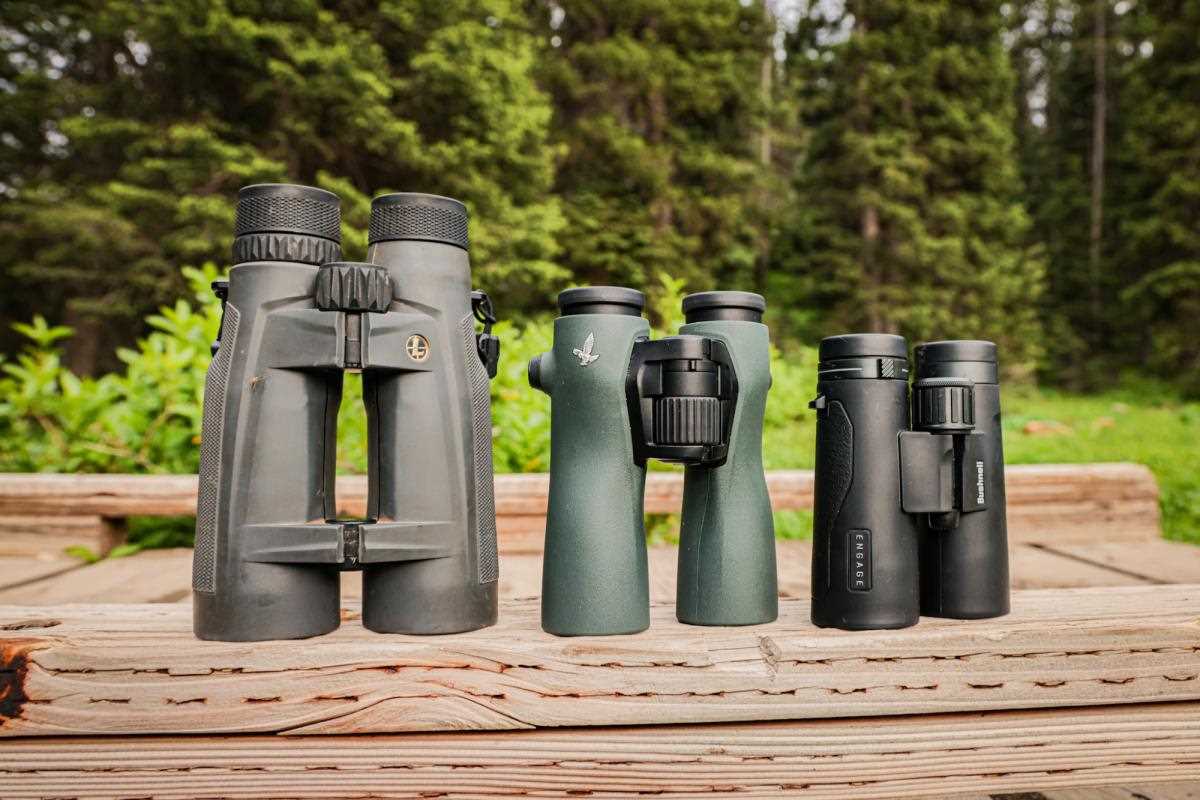
Ask any seasoned hunter, and they’ll tell you: spotting your target is half the battle. Whether you’re scanning ridgelines at dawn or stalking deer in dense woodland, a reliable pair of binoculars is a game-changer. But with all the technical jargon and options out there, finding the best binoculars for hunting can feel like trying to track a ghost in the fog.
Let’s cut through the confusion.
Drawing from field-tested experience, trusted optics experts, and firsthand comparisons, this guide walks you through everything you need to know to choose binoculars that match your hunting style, environment, and budget.
Understanding Binocular Numbers: What 8×42 Really Means
At first glance, those numbers stamped on binoculars can look like a secret code. Let’s break it down:
- First number (e.g., 8x): This is the magnification power. An 8x binocular makes objects appear eight times closer than with the naked eye.
- Second number (e.g., 42): This is the objective lens diameter in millimeters. A larger lens lets in more light, which means better visibility in low-light conditions.
For example, 8×42 binoculars offer a good balance of magnification and light gathering – ideal for hunting in forests or during dawn and dusk.
Field of View vs. Magnification: Striking the Right Balance
While more magnification sounds better, it comes at a cost. The higher the magnification, the narrower your field of view. That makes it harder to scan wide areas or track moving game.
- 8×42 gives a wider view (~400 feet at 1000 yards), great for spotting and following wildlife.
- 10×42 offers more detail at distance but slightly narrows your view (~330 feet).
- 12×50 takes you deeper but needs steadier hands or a tripod.
If you’re glassing expansive valleys or mountain slopes, a 12×50 like the Vortex Razor UHD may be ideal. But for most hunters, 8×42 or 10×42 offers the sweet spot.
Light Matters: Exit Pupil and Low-Light Performance
The exit pupil determines how bright your image appears, especially in dim conditions. You can calculate it by dividing the lens diameter by the magnification.
- 8×42 = 5.25mm exit pupil (great in low light)
- 10×42 = 4.2mm
- 12×50 = 4.16mm
Why does this matter? A bigger exit pupil means a brighter image at dusk or dawn – critical hunting times. If you’re often in shadowed woodlands or hunting at first and last light, prioritize a larger exit pupil.
Weight vs. Portability: What Can You Carry?
Larger lenses and more magnification add weight. Lugging a pair of 15×56 binoculars might make sense for long-range scouting from a tripod, but it’s overkill for handheld use.
Here’s a rough guide:
- Compact (6×32 or 8×28): Ultra-portable but limited brightness
- Mid-size (8×42 or 10×42): Balanced for all-around use
- Full-size (12×50 or 15×56): Excellent for long-range, tripod-recommended
If your hunts involve long treks or steep ascents, lean toward lightweight models like the Vortex Viper HD 6×32.
Best All-Around Hunting Binocular: Vortex Diamondback HD 8×42
For sheer versatility, the Vortex Diamondback HD 8×42 is a standout. With excellent clarity, a generous field of view, and solid low-light performance, it covers everything from turkey hunts to elk tracking.
It’s lightweight, rugged, and comes with Vortex’s lifetime warranty. Whether you’re a beginner or seasoned hunter, it’s a reliable workhorse.
Stepping Up: When to Choose 10×42 or 12×50
- 10×42 is ideal if you need more reach without sacrificing portability. Great for open field hunting or plains.
- 12×50 gives crystal-clear detail at long distances, perfect for high-altitude hunting or glassing from ridgelines. Just be ready to use a tripod.
If you hunt across varied terrain and want one powerful optic, 12x50s like the Vortex Crossfire HD or the Swarovski NL Pure 12×42 combine reach with surprising clarity and comfort.
High Magnification for Long Range: 15×56 and Beyond
For glassing distant terrain or tracking trophy game from afar, 15×56 binoculars are your best bet. Just know you’ll need a tripod. These are often used in mountain hunts, spot-and-stalk scenarios, or even stargazing.
Options like the Swarovski SLC 15×56 or Vortex Kaibab HD 18×56 deliver elite performance for the patient, discerning hunter.
Comfort & Fit: Don’t Overlook Eye Relief and Ergonomics
Features like adjustable eyecups, diopter rings, and the ability to mount on tripods make a huge difference in usability. For eyeglass wearers, models with generous eye relief are essential.
Try before you buy, if possible. Comfort on the trail matters more than you might think.
Final Thoughts: Choosing the Best Binoculars for Your Hunt
Hunting environments vary widely, and so should your gear. Start with a clear idea of what you need:
- Forest or brush hunting? Go for 8×42.
- Open country or plains? Try 10×42.
- Long-range glassing? 12×50 or 15×56 with a tripod.
A great starting point is the Vortex Diamondback HD 8×42 for its unmatched versatility and value.
Before your next outing, match your optics to your strategy. A little thought now means clearer views, quicker spotting, and more successful hunts.

Leave a Reply