


When Harold finally admitted that walking long distances wore him out, he closed the lid on his suitcase and, quietly, on his travel dreams. The stairs felt steeper. Curbs looked higher. Airports seemed like obstacle courses. Then his granddaughter, Ava, handed him a brochure about train tours for seniors with limited mobility. “It’s not the end of adventure, Grandpa,” she said. “It’s just a new track.”
The moment the journey begins
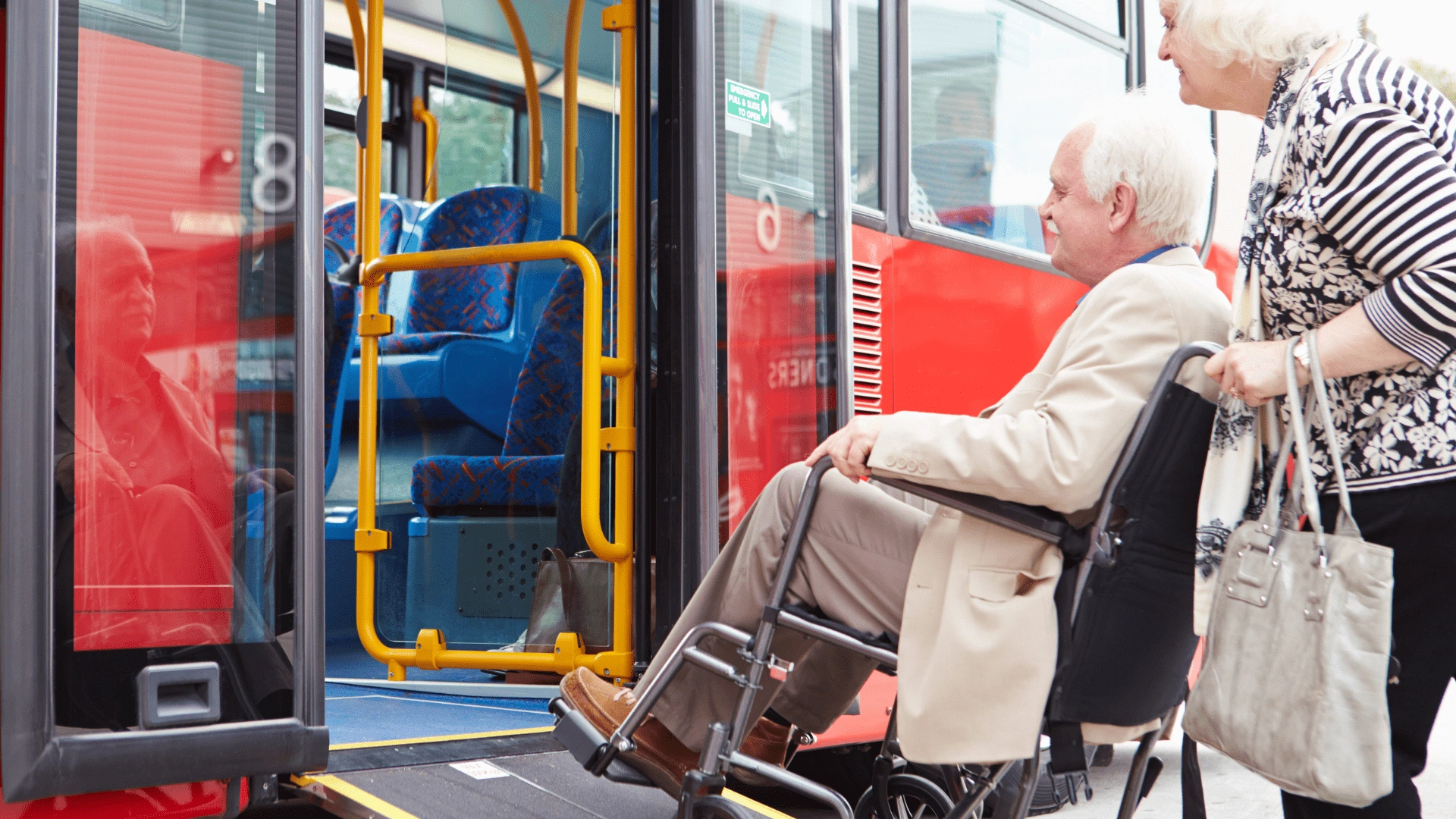
On departure day, the platform hummed. A uniformed attendant rolled a portable lift to the accessible car. Harold felt his shoulders drop, the way worry slips off when someone meets you with a plan. The doorway was wide. Handrails lined the aisle. Seats had space for his compact mobility aid. He settled by a picture window, the world already unfurling like a movie reel. He wasn’t bracing for turbulence or scanning for stairs. He was breathing—deeply—ready.
Why trains are the gentlest way to roam
Trains move at the human pace of wonder. You sit, you look, you talk, you sip. And unlike road trips, you don’t wrestle with parking, ramps, or restroom roulette. Many routes include accessible restrooms, grab bars, and seating that secures mobility devices. Staff are trained to assist with boarding. On scenic lines and wildlife viewing routes, some cars even feature panoramic windows and low-step entries. Comfort doesn’t cancel out thrill; it amplifies it.
Plan like a pro, relax like a passenger
A stress-free rail vacation starts before you pack.
- Call ahead. Ask about lift availability, door widths, seat configuration, and accessible restrooms. Confirm how they reserve accessible seating and where boarding assistance meets you on the platform.
- Request mobility support. If you use a cane or walker, ask if onboard wheelchairs are available for moving through narrow aisles.
- Keep essentials with you. Carry medications, medical letters, and daily necessities in a small, reachable bag. Checked items can wander; your must-haves shouldn’t.
- Book ground transfers. Choose step-free shuttles or taxis at each stop. Many operators can coordinate accessible transport if you mention it early.
- Pace the itinerary. One big outing per day is plenty. Add short, scenic breaks—tea in a station café, a bench near a garden, or time to simply watch the tracks ribbon into the distance.
What accessibility looks like onboard
Harold noticed the thoughtful details: sturdy grab bars near doors, tactile flooring changes by thresholds, and a seat that didn’t demand a gymnast’s flexibility. Staff offered to store his mobility aid and showed him how to call for assistance. On wildlife viewing legs, the car slowed near lookouts. He didn’t need to climb to an observation dome; the views came to him—cliffs, rivers, and the silver flash of a heron lifting from reeds.
Older heritage trains can vary. Some now use portable lifts or ramps. Other seat passengers with mobility challenges on the lower level and bring the scenery to those windows. The key is to notify the line in advance. That simple call can turn “we’ll try” into “we’re ready.”
Choosing routes that feel like a gift
Coastal and lakefront routes are tender on the body and rich for the eyes. Gentle grades mean smooth rides. Think shorelines, lighthouses, and long, slow turns where sunlight skates over water.
Mountain and canyon lines offer drama without the climb. Trains trace rivers and ridgelines, pausing at viewpoints so you can photograph, not power up stairs.
City-to-city cultural runs pair accessible stations with museums, botanic gardens, and riverwalks. Plan a hop-on art day or a leisurely garden afternoon; both reward curiosity over speed.
Traveling farther? Many international rail journeys now emphasize accessibility in major hubs. Elevators, level boarding zones, and staff assistance are increasingly common. As always, confirm details for your specific train, station, and seat.
Packing small, living large
Harold’s day bag carried exactly what mattered: medication organizer, ID and medical summary, non-slip shoes, a light travel blanket for cool cars, and a slim water bottle. Ava tucked a foldable grabber tool in the side pocket—perfect for reaching a dropped book. They left the heavy “just in case” gear behind and arranged rentals for mobility equipment at two destinations. Light packs. Light spirits.
The mistake that steals joy (and how to avoid it)
The biggest itinerary mistake? Overdoing it. Many seniors plan back-to-back excursions because everything looks tempting. But energy is a precious ticket. Instead, build in intentional rest: a quiet hour between lunch and a museum, or a window-staring session where the landscape is the only show. You’ll remember the stillness as vividly as the sights.
Sample day on the rails (that truly works)
- Morning: Scenic run along a river gorge. Ask the conductor which side has better views and sit there early.
- Late morning: Accessible café at the next station. Rest, hydrate, and review the afternoon plan.
- Afternoon: One attraction only—say, a botanic garden with paved paths and available wheelchairs.
- Evening: Back onboard. Warm meal, journal a few lines, lights lower, wheels whispering through the dark.
Simple. Satisfying. Sustainable.
Emotional truth: courage, not compromise
Harold expected to feel limited. Instead, he felt liberated. The train asked nothing of his knees, yet gave everything to his eyes. Landscapes arrived like gifts. People waved from crossings. A child pressed a sticker into his palm and said, “For luck.” Travel became what it should be: connection—across towns, across generations, across the distance between fear and delight.
Quick checklist for train tours for seniors with limited mobility
- Reserve accessible seats and assistance at booking.
- Confirm lifts/ramps, restroom access, and door widths.
- Keep medications and documents on you, not in checked luggage.
- Plan one major activity per day.
- Arrange accessible transfers at each stop.
- Communicate your needs clearly and early.
Final words:
As the train eased into the final station, Harold didn’t hurry. He didn’t need to. A lift waited. Ava held his elbow, not because he needed it, but because it felt good. He looked back at the silver line of track curving into the horizon and smiled. Train tours for seniors with limited mobility aren’t second-best. They’re a beautiful first choice—gentle on the body, generous to the soul, and proof that adventure adjusts to meet you where you are.

Leave a Reply